
By Jeff Kapembwa
Zambia and Zimbabwe-wary about the climate change impact on energy are putting heads together to strategise on fool-proof infrastructure and insulate against the weather driven calamity through power investment strategies at key hydro power plants with help from cooperating partners, among others, the Trade and Development and Africa Development Banks.
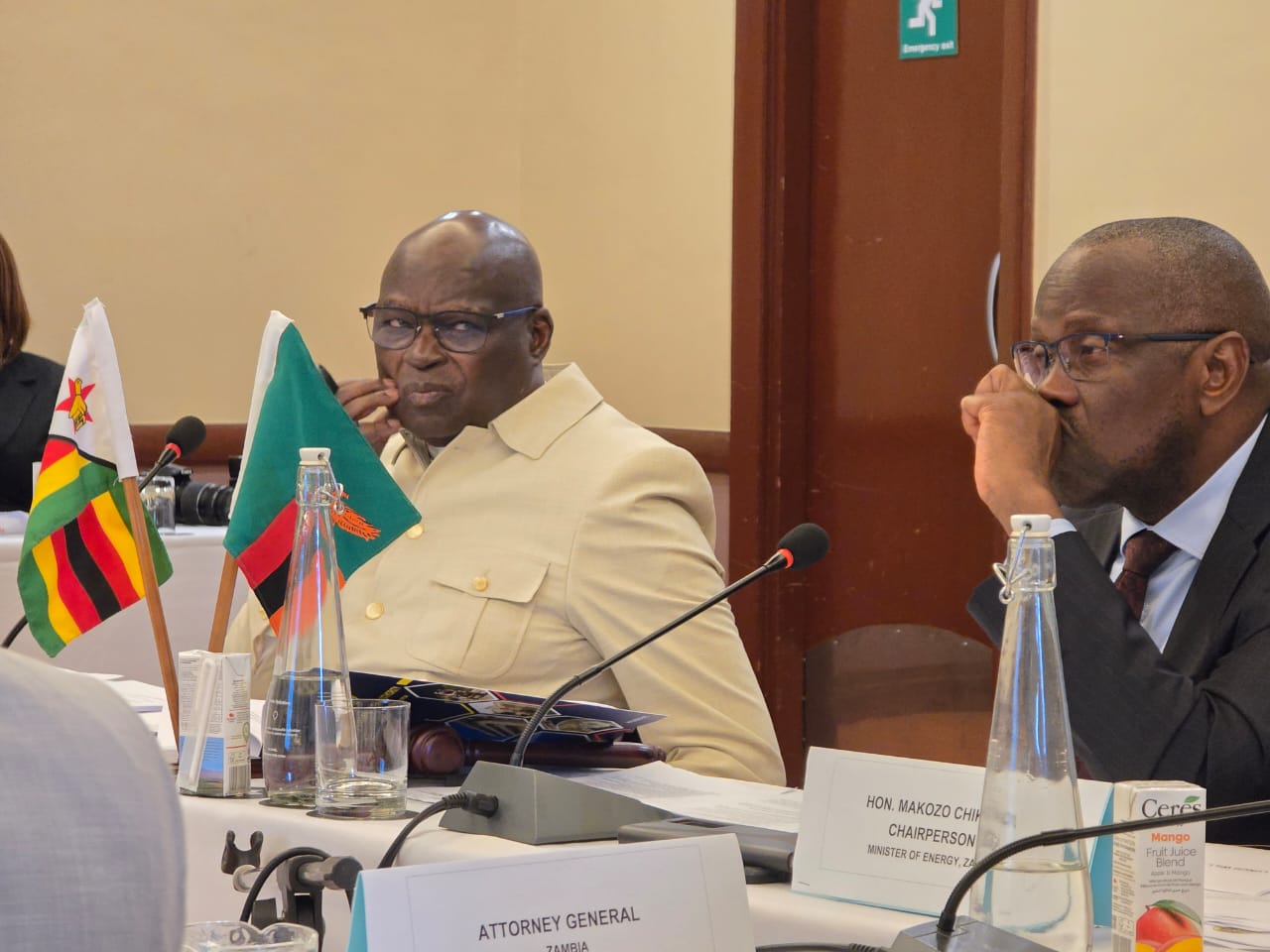
The two countries-consumers of the more than 30 billion cubic litres of water in the 64-year-old Lake Kariba for hydro power generation, met at the weekend in Zimbabwe during the 43rd annual Ordinary Council of Minister to devise long term counter actions and sustain energy provision and avert economic sabotage induced by climate change.
The meeting had further sought strategies and drawn up commitments for strategic power generation and transmission investments. This is, arguably, to enhance energy security resilience and regional integration, amid heightening climate crisis, threatening water availability.
The two countries-under the regulator-the Zambezi River Authority-in their deliberations during the meeting hosted by the Elephant Hills Resort in Victoria Falls, had sought to collaborate on repelling the climate -induced crisis.
This follows a spate of challenges that affected hydropower generation at the Kariba Complex, among others and need definitive action to sustain operations.
Zambia’s energy minister Makozo Chikote, identifies the planned 2,400 MW-Batoka Gorge Hydro- Electric Scheme, as a priority bilateral investment project and as being transformative.
The project, according to Minister Chikote, is intended to drive industrialization, job creation and spur economic growth in both countries and called for concerted efforts to actualize it.
The Zambezi River Authority, he envisages, should seek to fast-track implementation of the project by executing project milestones in parallel in line with directives from the two Heads of State.
Regional transmission infrastructure remains vital, highlighting the Zimbabwe–Zambia–Botswana–Namibia (ZIZABONA) Phase I Project, envisaged to provide an alternative power wheeling route between Zambia and Zimbabwe.
Speaking when Zambia handed over the ZRA chairmanship role to Zimbabwe, Minister Chikote was desirous of the four-country interconnector project. If actualised, it is expected to address existing transmission constraints and enhance power trading under the Southern African Power Pool.
Kariba Dam Rehabilitation Project, with plunge pool reshaping completed in 2024, Spillway Refurbishment Phase I completed in November 2025, and Phase II works currently at 30 percent completion remain other key infrastructure expected to add impetus to the hydro power generation capacity.
The facelift remains a critical investment to safeguard the long-term structural integrity and operational safety of the Kariba Dam.
Minister Chikote eulogises and supports the African Development Bank, including US$1 million allocated towards feasibility studies for a Floating Solar Photovoltaic Plant on Lake Kariba.
The project’s completion is expected to complement hydropower and strengthen energy resilience in the face of climate variability.
Incoming Chairperson of the ZRA Council of Ministers and Zimbabwe’s Minister of Energy and Power Development, July Moyo, salutes the regulator-ZRA for its prudent management of the shared water resource inspite of various challenging hydrological conditions.
He recognized the sustained partnership between the two neighbours. Collective planning and cooperation remain key to redressing energy challenges and sustaining power supply in both countries.
Lake Kariba’s water levels have shown a steady rise to 476.24 metres compared to last year’s 475 metres, compared to 2018’s highest level of 482 metres.
It used 3,33 billion cubic metres this year compared to 1.38 a year earlier. In 2018 water availability was 33 billion. Usable live storage space has been 5.15 percent compared to last year’s 2.14 percent and 50.50 percent in 2018, the regulatory agency says in a statement.