
By Gloria Siwisha
Eastern Province is expected to generate an estimated 28.9 million tonnes of carbon credits under the Eastern Province Jurisdictional Sustainable Landscape Programme (EPJSLP), Permanent Secretary Paul Thole has disclosed.
Mr Thole said the carbon credits will be sold to the World Bank and other international buyers, providing a sustainable revenue stream while supporting environmental protection and climate action efforts.
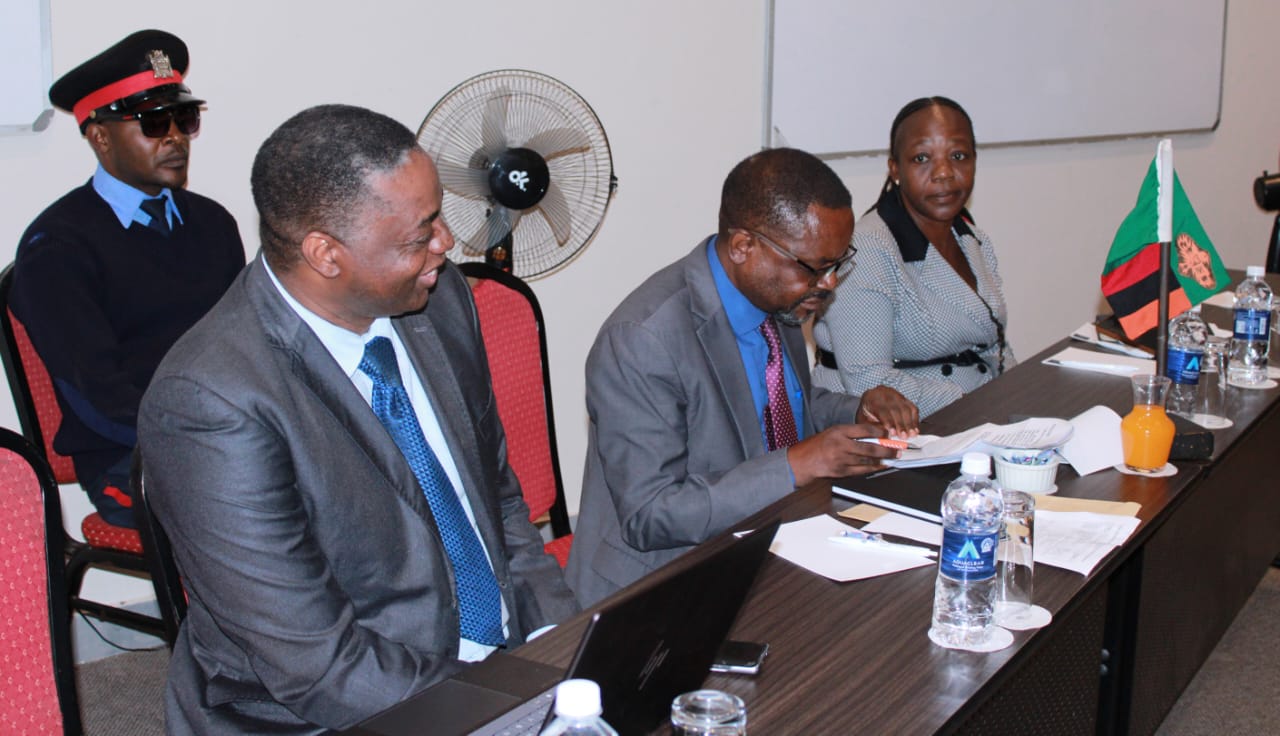
He said this in a statement delivered on his behalf by Deputy Permanent Secretary Dr Lewis Mwape during a stakeholders’ engagement meeting on fuel-wood consumption held in Chipata.
Mr Thole stated that Government is committed to sustainable landscape management and ensuring equitable benefit-sharing from carbon markets under the EPJSLP.
“The revenue generated from the sale of carbon credits will be shared in line with the approved benefit-sharing framework, with 15 percent allocated to Government and programme operations, 30 percent to private carbon project developers, and 55 percent to communities across the 56 chiefdoms in Eastern Province,” Mr Thole said.
He emphasised that the stakeholder engagement was aimed at strengthening dialogue and cooperation among all key players in promoting sustainable fuel-wood consumption and reducing emissions from agriculture, forestry and other land uses (AFOLU).
“This engagement is intended to enhance dialogue and cooperation among stakeholders in promoting sustainable fuel-wood consumption while reducing AFOLU-related emissions,” he said.
Traditional leaders who attended the meeting called on implementing partners to work closely with chiefs and Government to ensure the successful implementation of the programme.
Senior Chief Luembe and Chief Madzimawe urged implementers to prioritise the active involvement of local communities, noting that communities are the primary beneficiaries of the EPJSLP and play a critical role in its success.
Delivering a vote of thanks, Chieftainess Kawaza commended Government for consistently involving traditional leaders in development programmes, saying chiefs remain key stakeholders in both national and local development initiatives.
Several institutions, including the University of Zambia, the Ministry of Energy, Community Markets for Conservation (COMACO), and private sector organisations, also made presentations during the meeting, highlighting their roles in supporting sustainable land use and energy solutions.
This information is contained in a statement made available to NAIS by EPJSLP Communications Officer Creavat Chituta.
The EPJSLP is being implemented from 2024 to 2030 by the Ministry of Green Economy and Environment with support from the World Bank. The programme aims to address key drivers of deforestation, such as fuel-wood consumption and agricultural expansion, while contributing to environmental protection and improved community livelihoods. -NAIS