
By Jeff Kapembwa
At least 349 million people chiefly in Southern Africa and Asia are at risk of food insecurity this year spurred by the US-Iran and Russia-Ukraine ceaseless conflicts which might disrupt fertiliser supplies, basic services including fertiliser globally unless interventions to halt the wars are hastily initiated, the UN food agency warns.
The four-year-old armed conflicts between Russia and Ukraine coupled with the 1 February 2026-Irain and United States-Israel aided war have short-changed the perceived growth of various economies across the globe.
The sustained tolerance of the avoidable fighting, poses high risk to heightened food shortages of more than 350 million people, many depending on imports of food and agriculture inputs are caught in the cross-fire, the agency says.
The United Nations’ World Food Programme shares alarming possibilities of heightening hunger, chiefly people living in Sub-Saharan Africa and Asia should the conflicts in the Middle East continue with impunity, leaving many at risk and collapse of food production.
In its analysis report, the agency projects that “almost 45 million more people could fall into acute food insecurity” should the conflict continue through mid-year and if oil prices remain above $100 per barrel.
If not interventions by peace makers fail to yield results for the better, an estimated 45 million people are likely to fall into the food shortage trap, which could add to the already starving 318 million people already facing acute hunger worldwide, a tall order to meet food demand.
“This would take global hunger levels to an all-time record, and it’s a terrible prospect,” WFP Deputy Executive Director Carl Skau told reporters in Geneva, Tuesday.
Disruptions to energy and fertilizer markets are already driving food price increases, particularly in import-dependent regions and the fighting could add gasoline and burn out the already suffering majority, caught in the war-web.
The agency warned of the situation mirroring the global food crisis triggered by the war in Ukraine in 2022, when hunger surged to 349 million people.
While the Ukraine war disrupted a key global breadbasket and the current crisis is centered in a major energy hub, it notes, the analysis said the consequences could be similar due to the close link between energy and food systems.
“The spike in global food and fuel costs could leave millions of families priced out of stable foods,” Skau said.
Fertilizer shipments through the Strait of Hormuz, he notes have slowed significantly, estimating that around 25% of the world’s fertilizer supply passes through the route.
Reduced fertilizer availability, Skau warned, could raise input costs for farmers, lower crop yields, and in worst cases lead to crop failures. Even in less severe scenarios, higher production costs are expected to push food prices higher next year.
WFP, fears for countries in sub-Saharan Africa and Asia who are likely to be caught in the face the highest risk due to reliance on imports.
Projections indicated an increase of 2% in food-insecure people for West and Central Africa and 17% for East and Southern Africa, as well as an increase of 24% is forecast for Asia.
Sudan, which imports around 80% of its wheat, and drought-hit Somalia are among those at heightened risk, with reports of sharp increases in essential commodity prices.
“If this conflict continues, it will send shockwaves across the globe,” Skau said, warning that vulnerable families “will be hit the hardest.”
He warned that the crisis comes at a time of severe funding shortages, limiting WFP’s ability to respond. Without increased support, he said, “it could spell catastrophe for millions already on the edge.”
War experts estimate that the exchange of fire between Russia and Ukraine might escalate longer than is envisaged because of vested interests by the two parties. As of early April 2026, the Russia-Ukraine war was conclusively noted as ‘not ending immediately’.
Although there is intense international diplomatic pressure and anticipation for a potential pause or “frozen” conflict within 2026, some analysts believe active hostilities could slow down by the end of the year, a final, though lasting peace remains elusive.
Various reasons for the predicament are cited. These include the failed Russian Breakthrough in which President Vladimir Putin has refused to “let go of Ukraine”. This is despite Russia unable to achieve a strategic breakthrough to win the war decisively until now.
Analysts, including the 32-member country- North Atlantic Treaty Organization (NATO) have tried to convince Putin to recognise occupied territories as Russian, which Ukraine refuses.
Analysts believe that without a change in the Kremlin, the conflict is unlikely to see a final settlement.
Experts have suggested that while active fighting may not completely stop, the war could turn into a “temporarily frozen conflict” if a ceasefire is agreed upon later in 2026.
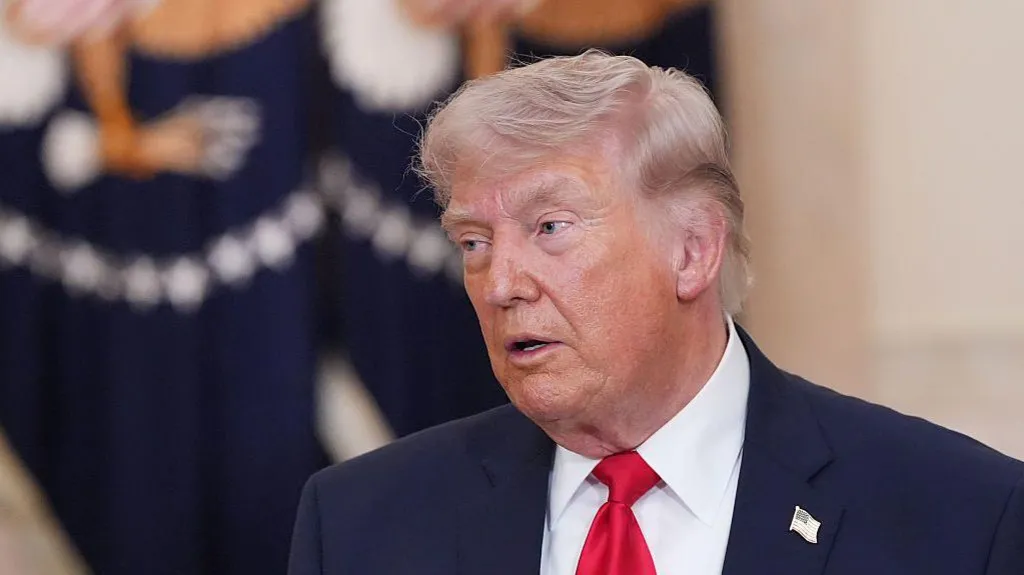
US leader, Trump has frowned at Iran’s ‘naughty retaliation’ towards his supremacy. He warns of crushing ‘stubborn Iran.
He warns Iran over that his country’s proposal to bring an end to the war is not enough to avert his threat to destroy infrastructure unless Tehran reopens the much sought after Strait of Hormuz.
The Tuesday deadline he has set for Iran to make a deal was final. Amid a rash of additional threats and claims, he said the proposal would not alleviate US action.
“It’s a significant proposal. It’s a significant step. It’s not good enough, but it’s a very significant step,” Trump told reporters at the White House, Monday. Intermediaries “are negotiating now”.
Unless Teheran frees passage of ships through the Strait of Hormuz, he would order strikes on Iran’s power plants and bridges.
In peacetime, about 20 percent of the world’s oil supplies pass through the strategic waterway, which links the Gulf to the Indian Ocean.
On Monday, a 45-day ceasefire proposal was put forward by Pakistan after meetings seeking a diplomatic solution to the war, which was sparked on February 28 by Israeli and US attacks against Iran, which has responded by firing missiles at targets across the Middle East.
Iran’s state-run IRNA news agency said Tehran had conveyed its response via Islamabad. Iran reportedly rejected the proposed truce, putting forward instead a call for a permanent end to the hostilities.