
By Mary Kasoka Mwiikisa
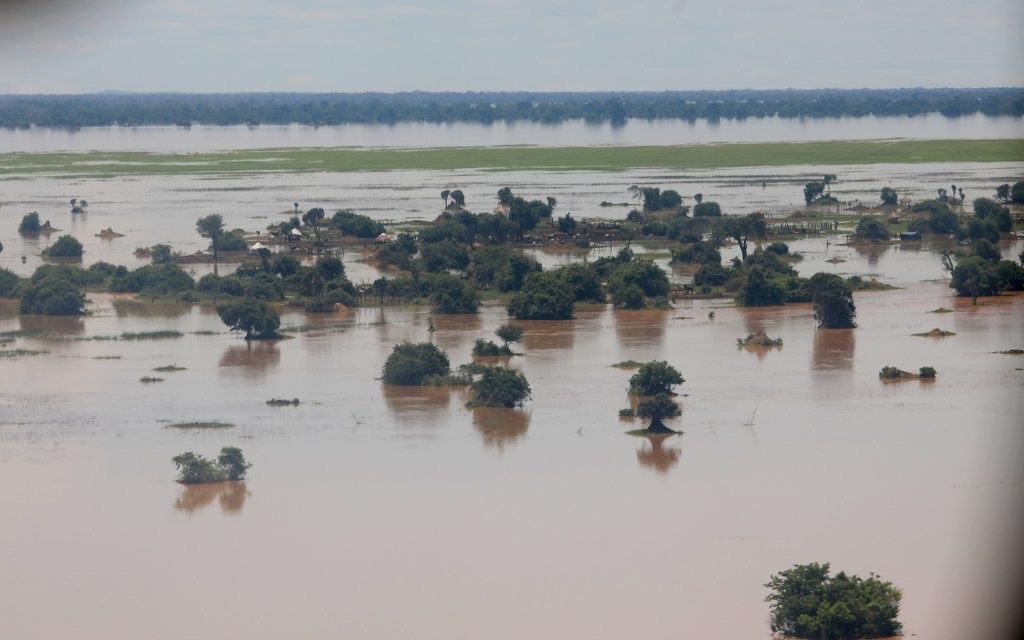
Flooding in rural landscapes highlights the growing impact of climate variability on vulnerable communities.
As Zambia hosts the 8th Meeting of the Board for the Fund for Responding to Loss and Damage (FRLD) in Livingstone, Zambia from 22nd–24th April, 2026, the global spotlight turns to Africa’s climate reality- one defined not by distant projections, but by the daily struggles of its most vulnerable communities.
Africa’s vision under Agenda 2063 is bold: a climate-resilient, food-secure, and economically strong continent. Yet on the ground, that vision is being tested by intensifying droughts, floods, and shifting weather patterns that disproportionately affect rural populations.
In Zambia and across Southern Africa, smallholder farmers, who produce the majority of the region’s food are on the frontline. When rains fail or floods wash away crops, the consequences are immediate: lost income, hunger, and deepening poverty. With 17 to 25 million people in the region facing food insecurity during extreme climate periods, the human cost is impossible to ignore.
In my recent interview with One Acre Fund Zambia, CountryDirector Luke Viljeon2, one message stood out clearly: climate finance, when it reaches farmers directly, is already making a difference. Through access to improved seeds, training, and climate-smart farming techniques, farmers are beginning to adapt, diversifying crops, improving soil health, and becoming more resilient to erratic weather.
But this progress remains fragile and limited in scale.
Africa contributes less than 4% of global emissions, yet faces some of the harshest climate impacts. Despite this, adaptation finance remains far below what is needed, estimated at $50 billion annually by 2030. Much of the available funding is slow to access and often delivered as loans, placing further strain on economies and limiting support for those most in need.
The World Bank’s latest Zambia’s Country Climate and Development Report (CCDR) underscores the urgency of action, noting that climate change could reduce GDP by up to 6 percent annually by 2050 while extreme droughts intensify. It highlights that protecting vulnerable communities must come first, through stronger social protection, early warning systems, and disaster risk financing. At the same time, scaling climate-smart agriculture, restoring ecosystems, and investing in resilient infrastructure supported by increased climate finance, are critical to building long-term resilience.
This is where the significance of the FRLD becomes crucial. It represents a shift from preparing for climate impacts to addressing those that can no longer be avoided: the destroyed homes, failed harvests, and lost livelihoods already affecting communities.
However, finance alone is not enough. It must reach the right people, at the right time.
As Zambia’s Minister of Green Economy and Environment, Mike Mposha has emphasized, Zambia’s path to full climate adaptation depends on increased investment in water infrastructure, irrigation systems, and early warning mechanisms. Without these, communities remain exposed to the same recurring shocks.
The solutions are clear. Climate action must prioritize locally led adaptation, empowering communities with resources, knowledge, and decision-making power. Investments in water security, sustainable agriculture, and social protection systems are essential to reduce vulnerability.
Zambia hosting the FRLD Board meeting is more than symbolic. It is a reminder that Africa is not just a site of climate vulnerability, but a critical voice in shaping solutions.
As we reflect on the goals of Agenda 2063, one thing becomes evident: Africa already knows what it needs to do. The strategies exist. The solutions are known. The pathways to resilience are well understood.
The lingering question, however, is why progress remains so slow.
Part of the answer lies in the persistent gap between commitment and delivery. Climate finance is insufficient, slow, and often inaccessible to those who need it most.
To move forward, several priorities must be addressed. Climate finance must be scaled up and delivered as grants, African governments must strengthen coordination and accountability, and investments in data, early warning systems, and water infrastructure must be accelerated. Most importantly, vulnerable communities must be at the center of decision-making.
Ultimately, the success of Agenda 2063 will not be measured in policy documents, but in lived outcomes, whether farmers can harvest despite uncertain rains, whether families can recover after floods, and whether vulnerable communities are no longer left behind.
Without decisive action, the gap between vision and reality will continue to widen. But with the right investments, stronger partnerships, and a clear focus on implementation, Africa’s climate-resilient future remains within reach.