
By Jeff Kapembwa
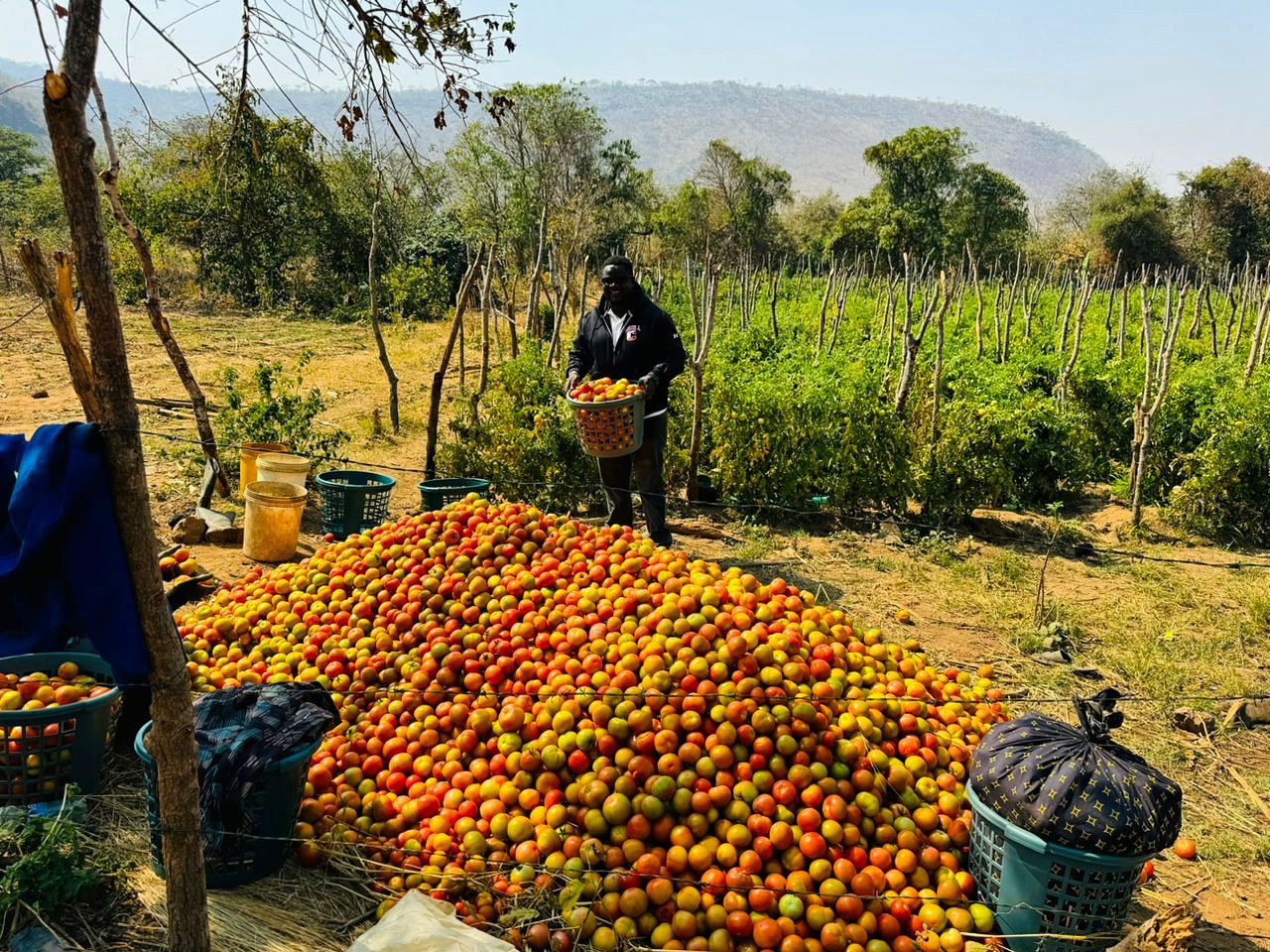
As Africa’s agricultural productivity slows down by 34% since 1961, heightened food losses spurred by climate change, Food Harvest-Zambia-an organization championing women farmers’ awareness on smart farming practices urges the continent to innovate to remain resilient and sustainable.
The organization, empowering African women farmers through microfinance and training in climate-smart agricultural practices & technologies to help them rise out of poverty while promoting gender equality calls for modernisation of farming methods to reduce losses as the impact heightens.
To reduce the climate induced losses, it urges the continent to invest in off-grid solar-powered cold chain storage in rural areas, upgrading rural road infrastructure to speed up transport, adopting drought-resistant crops, and expanding agro-processing capacity to militate the impact.
Research findings call for strengthened local food supply chains and digitalization for early warning systems are also critical steps to improve resilience. There is a need to implement cold chain and energy solutions through decentralization of solar powered refrigeration units in rural areas.
The initiative allows farmers to store perishable produce, mitigating losses caused by high temperatures and poor infrastructure.
It calls for improved transport and logistics to be developed while maintaining rural roads and strengthening logistics networks reduces travel time from farm to market, preventing spoilage.
There is a need to build local capacity to process unsold surplus or blemished crops into durable value added products including jams, dried fruits, powders,, among others as part of the agro-processing investments to help reduce food wastage and increase income.
The gender rights body calls for embracing climate resilient agriculture by scaling up the use of drought-resistant seeds and implementing efficient water-use systems including drip irrigation which protects crops against unpredictable weather patterns.
Digitalising and adoption of modern farming methods is key to fight climate change, it says. The action allows farmers to have access to mobile-enabled early warning systems, real-time climate data, and online marketing platforms to sell produce before it spoils.
It calls for improved farming methods through capacity building and policy therein that will help improve food handling knowledge, implementing safer food transport practices, and creating regulatory environments that support investment in storage technology.
With the continent’s productivity shrinking since 1961 because of climate change, poor harvest practices leading to food losses, campaigners of climate change are calling for durable and lasting solutions to avert the food crisis.
According to the world food report 2024-25, Climate change has reduced agricultural productivity growth in Africa by 34% since 1961, the highest decline compared to any other region in the world.
Recent 2024–2025 reports indicate that the continent is facing severe, compounding food security crises, with climate-induced disasters causing major crop failures and affecting millions.
According to research, there was widespread crop failure during the period under review with the Southern African region experiencing its worst drought in a century, with aggregate cereal yields 16% below the five-year average, including 43%–50% losses in Zambia and Zimbabwe.
It projects that the climate crisis could escalate by 2025 and reduce the mean yield for 11 main crops by 15 percent in Sub-Saharan Africa.
Maize, the staple food for most African countries, is under threat and is projected to decline in production between 3-20 percent by the end of the century in most African regions.
Other projections suggest wheat production could drop by 17% and sorghum by 15% by mid-century. Harvest Fund, joins researchers in recommending the continent to devise heightening levels of post-harvest losses through improved storage mechanisms.
Researchers recommend that farmers should focus on the most vulnerable stages (harvesting, handling, and storage) to ensure more food is saved.
Climate change has reduced agricultural productivity growth in Africa by 34% since 1961, the highest decline compared to any other region in the world.
Recent 2024–2025 reports indicate that the continent is facing severe, compounding food security crises, with climate-induced disasters causing major crop failures and affecting millions.
The United Nations food agency-FAO estimates that over 100 million people in Africa are facing crisis-level acute food insecurity, citing climate change as a key driver.
Initial estimates show that the economic toll of climate change in Africa would be estimated at over $10 billion in 2024, including losses in agricultural production, but the losses have more than doubled as the climate crisis remains unabated.