
By Jeff Kapembwa
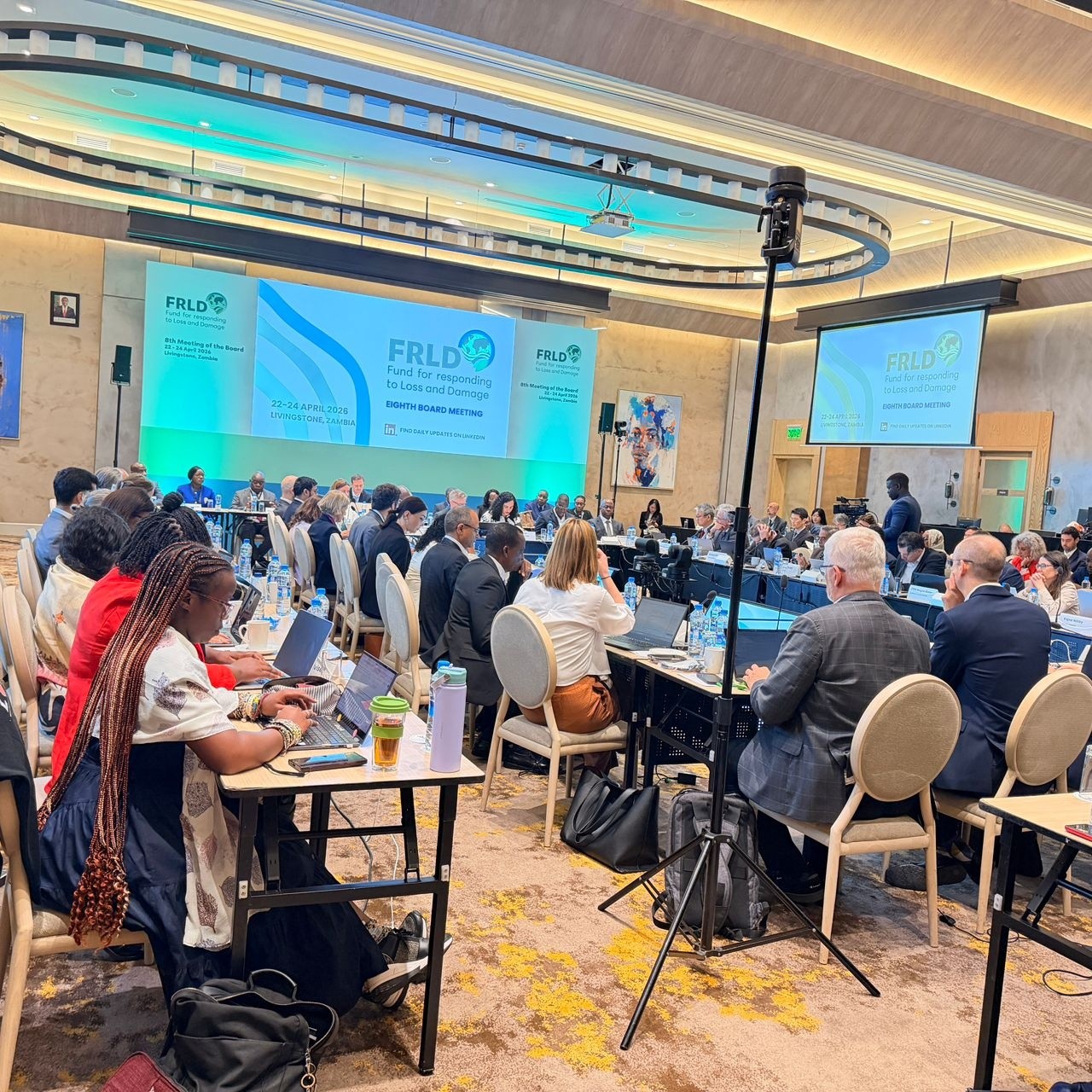
The Eighth Meeting of the Board of the Fund for Responding to Loss and Damage (FRLD B8), Focusing on the operationalisation of the fund, including financial mechanisms and resource disbursement modalities, opened in Zambia, Tuesday, with a call for the continent to insulate against the crisis, threatening to reverse economic gains and affect ecosystems.
The climate change campaigners learnt that the effects of climate change was more devastating than was perceived, creating losses in excess of US$19 billion, in weather- and water-related hazards and caused over US$8.5 billion in economic damage across the continent in 2022 alone.
The crop and livestock losses in the Sahel and Horn of Africa between 2000 and 2022 were estimated at US$11.5 billion.
The human toll is equally devastating, with more than 110 million people affected by climate hazards in Africa during the year under review.
The fatality rate was equally severe, claiming over 5,000 deaths. Projections also suggest that sub-Saharan Africa could have as many as 86 million internal climate migrants by 2050, a call for climate action, while seeking to insulate and compensate for loss and damage caused to humanity and the ecosystem.
Southern provincial Minister, Credo Nanjuwa warns against the devastating effects of climate change on African countries, Zambia included-noting that the climate change – induced loss and damage is “wrecking economies across Africa,”
Officiating at the country’s inaugural Eighth Board for the Fund for Responding to Loss and Damage meeting, Nanjuwa said the climate impact was real and that Zambia was equally affected as evidenced through the severe impacts adduced from floods, droughts, and other climate-induced disasters, though, resources for recovery, remain limited.
“Loss and damage arising from the impacts of climate change is wrecking economies across Africa. Zambia has not been spared,” he said.
The meeting which has attracted various interest groups to evaluate and strategise urgent financing solutions for vulnerable countries., the minister, in highlighting the crisis, challenged African countries to remain vigilant and safeguard against climate induced crisis as it was affected economic growth.
Citing data from the African Development Bank indicating that climate change is already reducing Africa’s per capita economic growth by between 5 and 15 percent warned against complacency.
Unless action was taken, wholemely, the continent, could by 2050, face an average reduction of 34 percent in GDP per capita.
Zambia has meanwhile raised eyebrows on the delayed US$100 billion pledges from major polluters and that from the global fund.
The availed financing, all fall far below the requirements-with a paltry US$800 million committed against various high cost needs.
He cites Zambia whose damage and loss cost was estimated at US$3.5 billion following the 2023/2024 rainy season.
Over the past 30 years, floods and droughts have cost the country more than US$13.8 billion, and without intervention, climate change could reduce Zambia’s GDP by about 6 percent by 2050.
Key sectors continue to feel the strain with the agriculture sector, central to livelihoods and food security, faces crop yield reductions of between 30 and 40 percent during droughts, Minister Nanjuwa said.
Also Fund for Responding to Loss and Damage Executive Director Mr Ibrahima Cheikh Diong while commending Zambia’s leadership and underscoring the urgency of global action, was concerned with the climate impact and called for concerted efforts by all players.
He commended Zambia’s untiring effort to raise awareness on the climate crisis while He describing Africa as a testament to the leadership of Zambia’s President, who has consistently called for stronger capitalisation of the fund.
Diong empathized with affected communities-whose evidenced was adduced during a fact-finding mission, noting that the visit to the areas impacted by climate change revealed the human face of climate change, a call for urgency to mitigate and adapt.
“The communities that have been affected… it is indeed a reminder of the sense of urgency for us to take action,” he said. Expectations, he said, are high in the aftermath of the COP 30 where calls for funding requests were launched and outcomes awaited.
“The expectation is for us to deliver so that money gets where it’s needed,” he said, adding that the fund must also be sufficiently capitalised to meet growing demand.
He commended the board for its stewardship towards mobilizing resources and affected countries.
The meeting is expected to focus on scaling up funding and improving access mechanisms, as Zambia prepares to submit its proposal to strengthen national systems for responding to climate-related loss and damage.
Some critics argue that global loss and damage fund may dry up by 2027 unless developed nations start immediate contributions, according to a warning from 200 organisations across the globe.
They argue that a paltry 0.1 per cent of the required $400 billion per year fills the fund’s coffers, fearing the exercise to mitigate and adapt was far from being attained.
More than 200 organisations in a petition to the board of the Fund for Responding to Loss and Damage (FRLD), warned that without more contributions, the fund can dry up soon.
FRLD is an operating entity under the financial mechanism of the United Nations Framework Convention on Climate Change (UNFCCC) and addresses both economic and non-economic loss and damage, according to a report by the ‘Down to Earth’ publication.
Drying up the fund can hit the least developed climate-vulnerable countries the hardest, as well as developing countries which aspire to address climate change-inflicted loss and damage through loss and damage fund support, analysts say.