
By Jeff Kapembwa
The 2026-27-impending El Nino, dubbed ‘the strongest in history’, may characterise floods, drought, extreme heat across Africa among other headwinds, a call by climatologists for the continent to seek resilience.
With an estimated 162 million children with an addition 50 million-all-at risk, interruption in livelihood, in various regions, the oncoming temperature driven El Nino, is feared to act as a driver of food insecurity and malnutrition among various households, with severity expected in the top regions on the continent,
The severity of the crisis, predicted as a near 100% likelihood of a “supersized” El Niño, and may will persist through February 2027, is feared to bring severe risks to the environment and humanity across Africa and affect the continent’s food security.
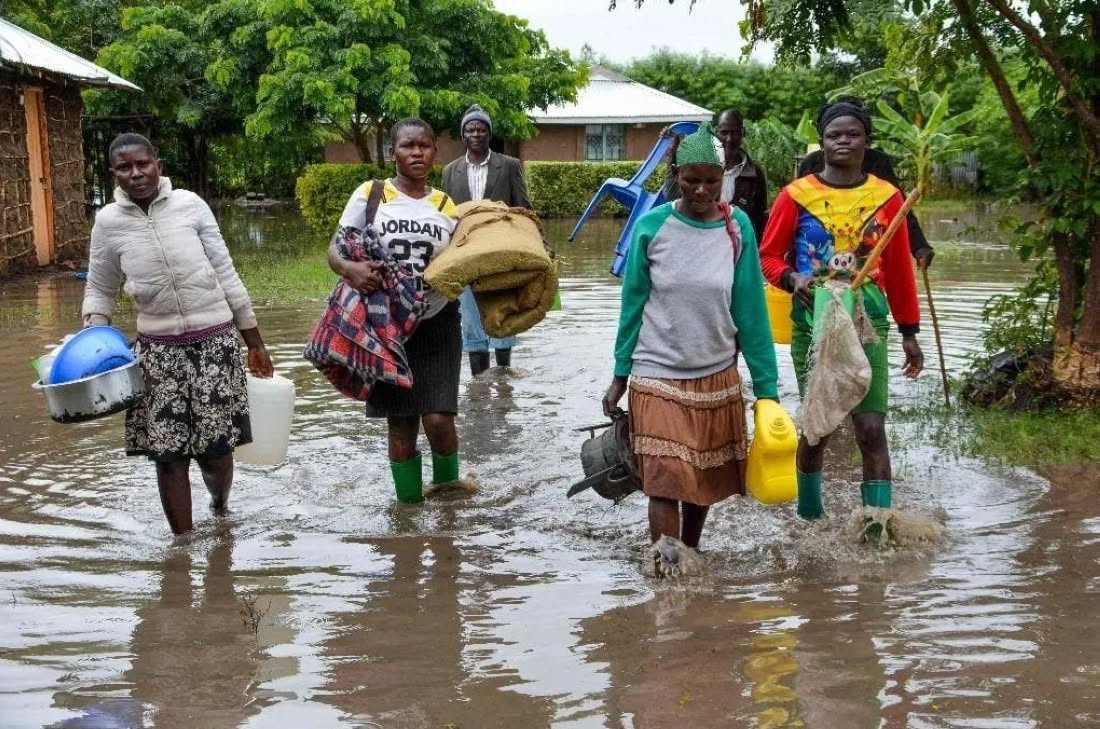
Floods ruin crops and livestock in East Africa while millions of people face rising malnutrition, especially with over 162 million children exposed across both regions.
Heavy rains and contaminated water supplies in East Africa will spike cholera and acute watery diarrhoea.
Severe water scarcity in Southern Africa will also compromise hygiene and health systems. Flash floods, river overflows, and landslides in Eastern Africa will force widespread community displacement and damage roads and schools.
Other consequences include reduction in water levels in hydropower dams, causing prolonged power cuts, and hurting local economies. Loss of farming and livestock livelihoods will increase poverty and protection risks.
Water scarcity and broken boreholes are projected to befell the continent and will force women and girls to walk longer distances for clean water.
This increases safety risks and exposure to gender-based violence, the United Nations-owned global meteorological agency WMO forecasts, and raising alarm on the continent’s resilience to cushion the anticipated impact
East Africa is projected to be impacted by the heavy rains with contaminated water supplies expected to spike cholera and acute watery diarrhoea.
Flash floods, river overflows, and landslides in Eastern Africa will force widespread community displacement and damage roads and schools.
WMO says the “supersized” El Niño foreseen to persist through February 2027, is feared may impact severely affect, Ethiopia, Kenya, Somalia, South Sudan, Sudan, Zimbabwe, Mozambique, and Madagascar because of their vulnerable to acute humanitarian impacts.
Arguably, Africa is projected to be heading into a strong El Niño from a weaker economic position than the last one a decade ago. The calamity will affect price pressures, triggered by the Iran war.
Higher oil prices caused transport costs to increase, and a stronger dollar, while tighter financing conditions have added to the strain, Institute of International Finance (IIF) analysts Candice Reddy and Leila Hamilton say in a research note.
The experts warn of serious impending economic effects on Zambia, among other countries, and may affect food stocks and raise security.
“The interaction of these shocks has altered the macroeconomic starting point from which countries may confront a strong El Niño episode,” they said, noting that the impacts will vary sharply across the region.
“Egypt, Zambia, and Ethiopia appear to have the least room to look through another food-price shock.”
The last severe occurrence in 2015-16 took place against a backdrop of falling oil prices and generally softer global inflation, the IIF said.
The cost of the ‘super El Nino, needs cushioning to avert the impending crisis expected to befell the continent.
The African Development Bank has, however, been reported to contribute towards the much sought-after and staggering US$100 billion in climate adaptation financing.
Anthony Nyong, the director for climate change and green growth at the African Development Bank (AfDB), says the US$100 billion+ will be required over the next year to cushion the severe economic, structural, and humanitarian impacts of the oncoming “super” El Niño weather pattern.
The funding in climate adaptation funding has been doubled from a previous baseline estimate of $50 billion.
This massive surge is required to safeguard vulnerable economies and build structural resilience against devastating droughts and floods.