
By Jeff Kapembwa
Rwanda will in october be a haven to 30 countries, Zambia included, expected to showcase their expertise and resolve to fight climate change when the East African state hosts the Carbon Markets Africa Summit (CMAS) 2026 next month.
The Kigali Convention Centre will open its doors from 13-15 October as it hosts the VUKA Group-sponsored Carbon Markets Africa Summit (CMAS), bringing together African governments and stakeholders.
Various policymakers from across the continent are expected to advance high-integrity carbon markets and Article 6 implementation, a sector in which Zambia is actively developing bilateral frameworks.
The much awaited summit seeks to arguably facilitate the continent’s transition of its carbon initiatives from readiness to active execution and transactions.
It is expected that African countries will showcase how they are advancing Article 6 cooperation mechanisms and high-integrity standards.
Countries will endeavor to show how they are connecting African policy frameworks with international investors and corporate buyers.
Zambia, through the Ministry of Green Economy and the Environment has hit the ground running and is advancing its carbon market readiness.
This will be done through domestic policy alignment, institutional framework creation, and specialized climate finance initiatives, mirroring the wider continental shift toward execution ahead of the Carbon Markets Africa Summit in Kigali, Rwanda.
The Southern African state has among other initiatives, partnered with initiatives like SPAR6C.
The Ministry has actively refined national regulatory and Article 6 frameworks to govern transparent carbon trading.
Recent high-level forums, such as Lusaka Climate Finance Week, emphasized launching dedicated national climate funds and a Climate Finance Unit to manage domestic co-financing as part of the Domestic Climate Finance Infrastructure.
Stakeholders are focusing on structuring high-integrity, MRV-ready nature-based and energy projects to match private sector investment criteria ahead of international matchmaking platform as part of the Bankable Project Pipelines, data from the Ministry shows.
Zambia’s presence at the summit will enable the country benefit from the Carbon Markets Africa Summit (CMAS) by unlocking international climate finance.
It will use the platform to attract investments for its newly launched national carbon registry, securing partnerships for low-carbon projects like forestry and renewable energy, and advancing its implementation of Article 6 of the Paris Agreement.
The platform will be a pathway for the country’s access to Climate Finance and Capital. The country wlll be connected to African carbon projects directly with global investors and corporate buyers, helping channel funds into projects that struggle with traditional financing.
Zambia will endeavor to leverage technical workshops and ministerial roundtables at CMAS to streamline carbon authorization and trading mechanisms under the Paris Agreement as it aligns with Article 6.
Given Zambia’s vast forests, agricultural potential, and renewable resources, it will market investment-ready climate solutions that convert environmental conservation into new economic wealth.
The planned participation will help Zambia to align its domestic monitoring and carbon accounting frameworks with high-integrity international standards, minimizing market risks like double-counting.
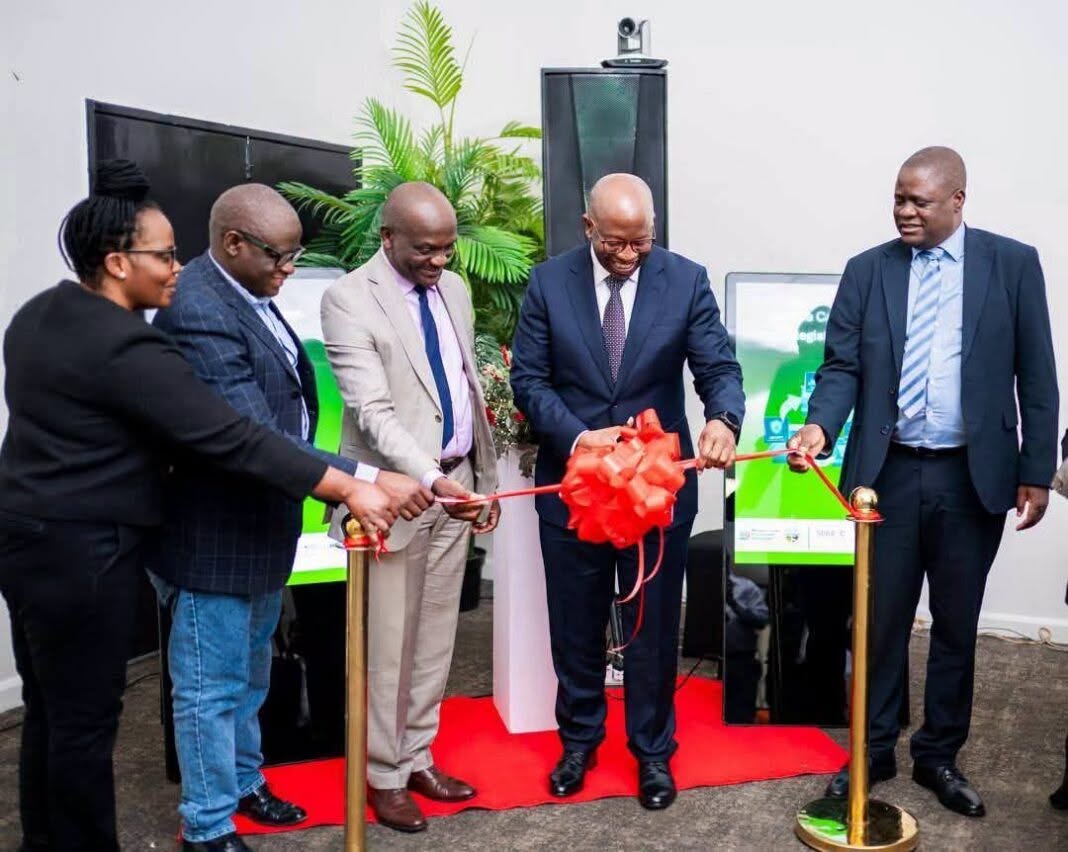
Zambia had on 7 August launched its carbon registry, creating a digital platform to track, manage, and report carbon emission reductions under the auspices of the environmental agency-ZEMA.
the system prepares the country for international carbon trading under Article 6 of the Paris Agreement.
The registry will among other roles, build into the national Monitoring, Reporting, and Verification (MRV) system to ensure accuracy in carbon accounting.
Issues mitigation outcomes with unique serial numbers and tracks transfers to prevent double counting or overselling. It was developed alongside the SPAR6C program, following bilateral climate agreements with countries like Sweden, Norway, and Switzerland.
Climate experts note that Africa’s carbon markets are moving into a new phase, with governments strengthening policy, investors looking for credible projects and growing attention on how the continent can unlock more climate finance.
During the Kigali event, according to the programme, policymakers, investors, carbon project developers, corporate buyers and market leaders from across Africa and around the world will seek to explore how high-integrity carbon markets can support investment and sustainable development across the continent.
The programme will tackle Article 6 and CORSIA, voluntary demand and offtake realities, high-quality MRV and ratings, policy readiness, regional carbon market alignment and early-stage carbon finance.
It will also explore global regulatory shifts, private capital de-risking, authorisation in practice, registry interoperability and how Africa can scale MRV and VVB capacity.
A UNEP-hosted Nature Deal Room will bring African governments, corporate buyers, investors, standards bodies and market intermediaries together to help advance high-integrity nature-based carbon transactions.
“I genuinely think Africa could become the defining force in global carbon markets,” says Shikha Sharma, Global Technical Lead – Offsets & Removals, SGS.
“The continent has extraordinary natural assets. If Africa gets governance right, invests in local capabilities and keeps integrity at the centre, it won’t just supply the market. It will influence how the market operates globally.”
The summit, attracting public and private sector institutions involved in Africa’s carbon markets comes as Article 6 implementation advances globally and African governments move from readiness towards delivery. Across the continent, there are signs of a market becoming more active.
The African Union is rolling out the Africa Action Plan on Carbon Markets, while countries such as Ghana are developing Article 6 project pipelines and authorisation systems.
AUDA-NEPAD’s African Principles for Equity and Integrity in Carbon Markets are also putting greater focus on governance, transparency, community benefit-sharing and confidence in the market.
For Africa, the next challenge is turning this progress into transactions and investment. Buyers and investors are looking more closely at quality, credible MRV, compliance readiness, transaction certainty and clear policy.
Strong projects will need to connect with the right capital, buyers, standards, infrastructure and institutional support if the market is to grow.
The United Nations Development Programme (UNDP) and the African Development Bank (AfDB) serve as host organisations, the Development Bank of Southern Africa (DBSA) as host partner, and AUDA-NEPAD as strategic institutional partner.
The growing network behind the 2026 summit reflects the different expertise needed to build a functioning carbon market. New partners and contributors include GIZ, BeZero Carbon, Welthungerhilfe, FSD Africa, the United Nations Environment Programme (UNEP) and Carbon Standards International.
They join standards bodies, ratings agencies, financiers, governments and project developers working across the carbon market value chain. Key questions arise ahead of the summit:
How do Article 6 and CORSIA move from policy into real transactions?
What are buyers and investors prepared to fund? What makes a project bankable, insurable and verifiable? And how can Africa build the MRV and validation capacity it needs while maintaining market integrity?