
By Peter Kayombo
Government, in collaboration with the Food and Agriculture Organization of the United Nations (FAO), is stepping up efforts to tackle food losses estimated at 30 to 40 percent, with authorities turning to digital monitoring and improved data collection to identify where food is lost and how to reduce it.
Speaking during the official opening of a three-day training on Food Loss and Waste monitoring and the use of the Food and Agriculture Organization of the United Nations (FAO) Food Loss App, commonly known as FLAPP, Lusaka Provincial Agricultural Coordinator, Derrick Simukanze, said the scale of food losses was a concern, particularly as about 61 percent of identified losses were occurring at the production level.
Mr Simukanze said increasing agricultural production alone will not achieve food and nutrition security if significant quantities of food are lost before reaching consumers.
“Therefore, as we continue investing in increased agricultural production, we must equally invest in protecting what we already produce,” he said.
He noted that estimated losses represent not only lost food, but also wasted investments in land, water, labour, energy and financial resources, while reducing potential incomes for farmers and affecting the availability and affordability of nutritious food.
Mr Simukanze said the ultimate objective was not merely to collect data, but to ensure that the information generated was translated into practical action.
“We need to move from simply knowing that food losses are high to being able to establish where losses are occurring, how much is being lost, why the losses are occurring, and what interventions are required to reduce them,” he said.
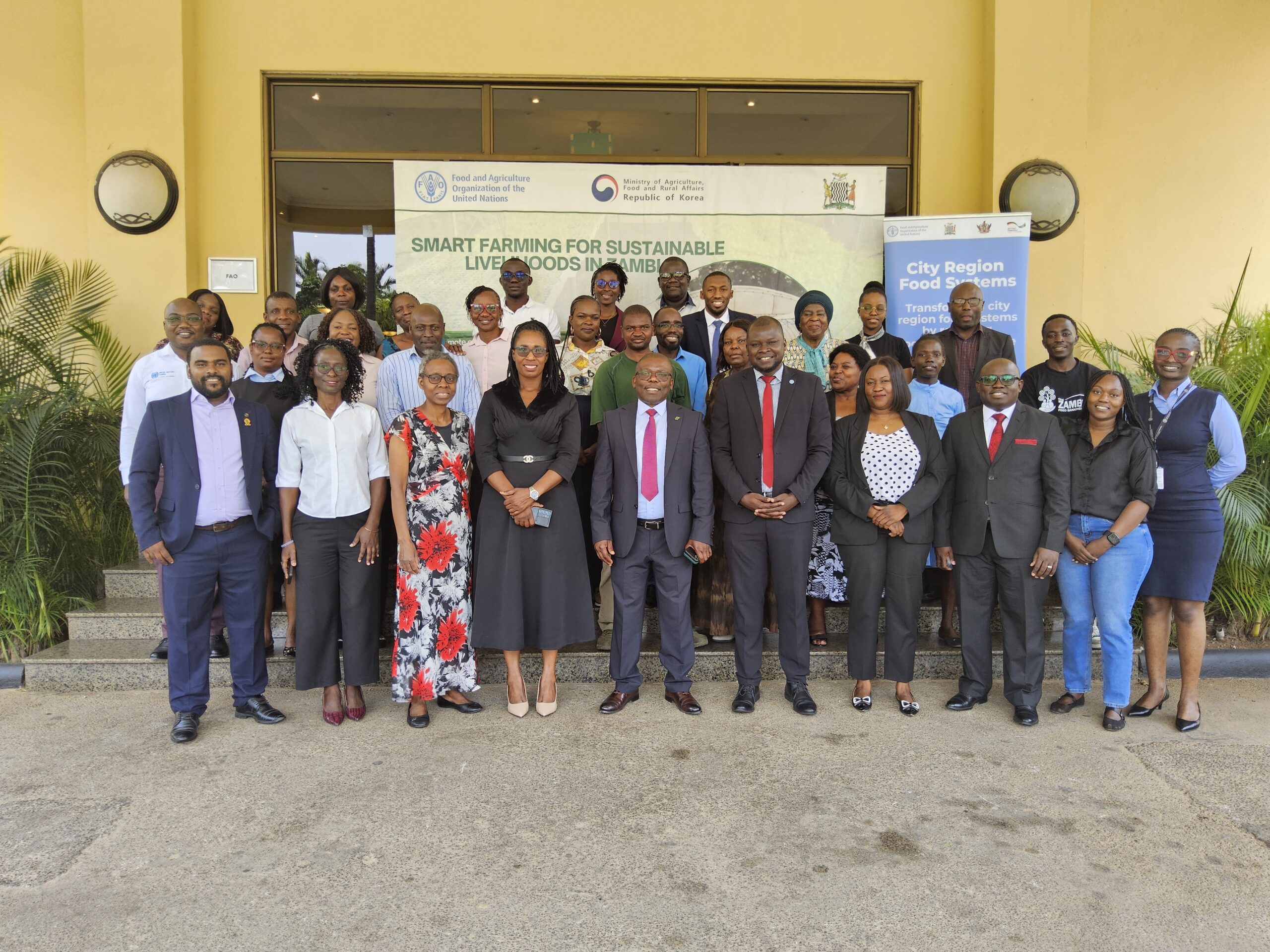
The training brought together agricultural officers, researchers, farmers, local authorities and other stakeholders to strengthen the collection and use of food-loss information, while developing practical systems to identify critical points where losses occur across the food system.
FAO National Project Coordinator, Cornelius Zemba, said the training would equip farmers with practical knowledge to reduce food loss and waste while improving their ability to maximise income from their agricultural production.
Mr Zemba said the use of FLAPP would enable farmers and other stakeholders to generate evidence on where losses were occurring, helping them make more informed decisions on practices that could minimise losses.
“The value that these farmers are going to get is that they will be able to generate evidence using the application of where the losses are, and then they will be more conscious of employing practices that will help to deal with the losses,” he said.
Meanwhile, Gertrude Chansa, a farmer from Balastone, said the training would equip her with practical techniques for handling and managing crops in ways that minimise food losses and waste while maximizing income from her agricultural produce. –NAIS