
By Jeff Kapembwa
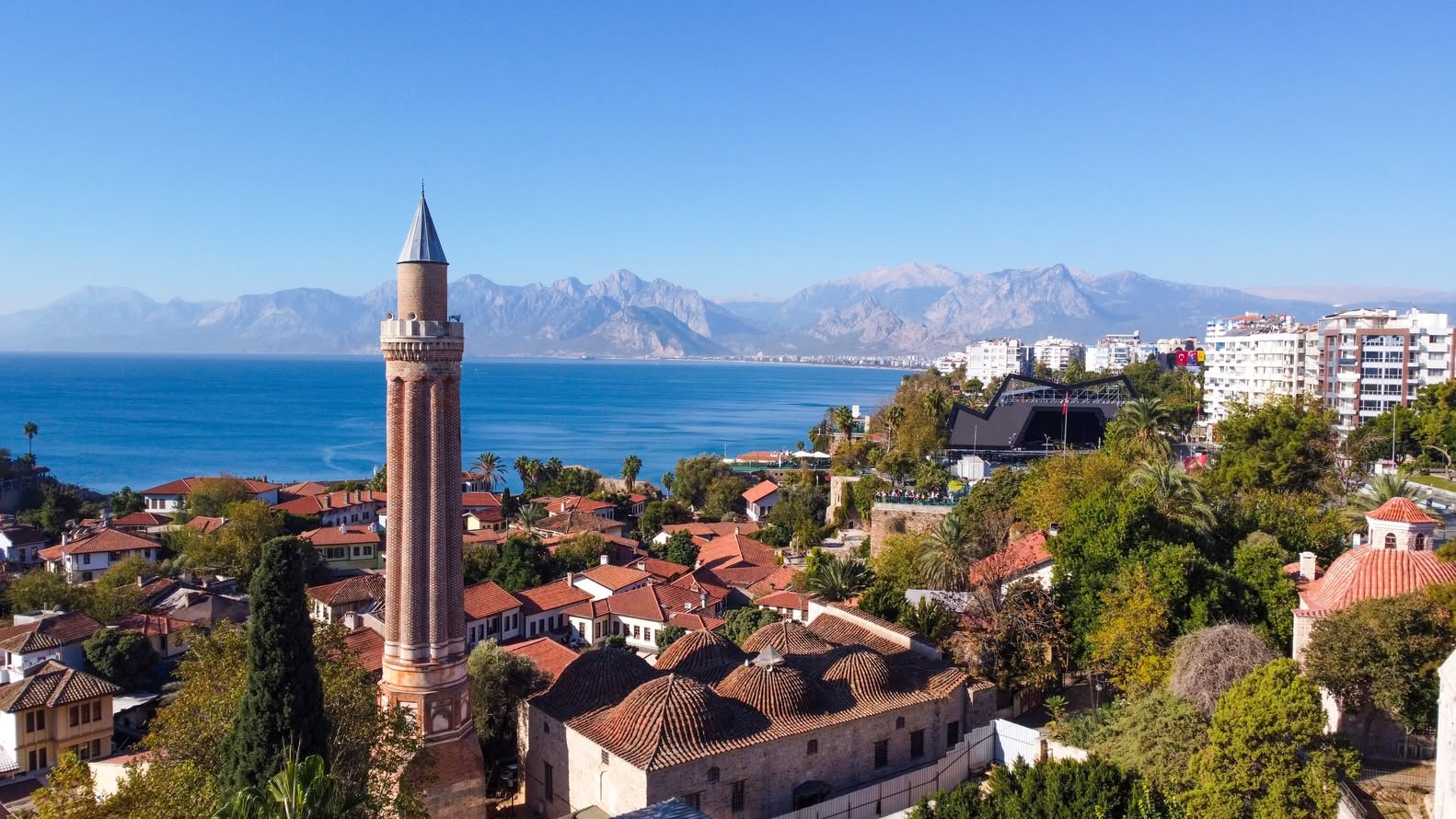
As preparations for the COP 31 planned for 9-20 November in Antalya, the Türkiye capital, take shape, leading conservation groups, want prompt climate action to save the ecosystem.
The event, being hosted by the trans-continental country, Türkiye, located at the crossroads of Western Asia and Southeast Europe, has advanced in preparatory work to host over 1, 000 delegates, including Africa.
Workers are finalizing plenary halls, delegation offices, media centres, and exhibition spaces—including the Gaziantep House—at the main venue in Antalya.
The interest groups have released critical pre-COP31 statements and advocacy briefs with focus heavily relied on protecting civic space, scaling up accessible public climate finance.
The players are demanding for the enforcement of human rights and safeguarding Indigenous sovereignty with stressed calls for reducing emissions to less than 1.5°C threshold alive.
Coined around building principles of dialogue, consensus, and action, guided by the overarching theme of moving “from commitment to implementation”, COP 31 is a gathering, expectant more than before.
Key campaigners, WWF-Pacific, WCS, and IUCN Oceania, among other 16 national civil society organizations, have led the onslaught demanding that Türkiye “must begin change at home”.
They are demanding for the host state to show regional leadership by explicitly planning to “leave coal at the summit.
This they seek be done transparently, seek democratic energy transition, says a joint statement issued after the Pre-COP meetings held in Fuji and Tuvalu.
WWF, which has championed the preservation of wetlands, among other natural habitats, in a joint effort, is demanding an accelerated emission reduction to keep the 1.5°C threshold alive.
They want an equitable phase-out of fossil fuels and rapid, localized scaling of adaptation finance.
The campaigners, in their onslaught, are demanding that Türkiye “must begin change at home.”
The host state should show regional leadership by explicitly planning to “leave coal at the summit” through a transparent, democratic energy transition.
They chided wealthy nations for cutting adaptation finance and development aid while inflating military budgets.
Climate Action Network, as the 16-campaigners are being referred to, lament the lack of action to redress various factors, heightening emission and other human induced actions.
Despite the recent UN warning that the world is on track to overshoot 1.5°C, the developed governments are adamant and are failing to align on an ambitious agenda, the campaigners say.
The Observatory for the Protection of Human Rights Defenders– simply referred to as “The Observatory”), a 100-member driven-joint program created in 1997 by the International Federation for Human Rights (FIDH) and the World Organisation Against Torture (OMCT) want explicit actions to save nature.
The group is demanding explicit protection guidelines for Environmental Human Rights Defenders (EHRDs) across five core negotiation streams. These safety catches include the Gender Action Plan and the Just Transition Mechanism.
They are calling for direct, grant-based climate funding for women and community-led organizations.
Aid and humanitarian groups like the International Federation of Red Cross and Red Crescent Societies (IFRC ReliefWeb Report) are urging world leaders to scale up disaster preparedness and climate-resilient health investments ahead of the opening gavel.
The International Indigenous Peoples Forum on Climate Change (IIPFCC) or the Indigenous Peoples’ Caucus, an official representative body of Indigenous Peoples participating in the climate change negotiations of the United Nations Framework Convention on Climate Change (UNFCCC) wants more done on pending climate action plans.
The group seeks to advance positions to ensure that the second Global Stocktake (GST2)—launching at COP31—fully measures and recognizes Indigenous knowledge systems and territorial leadership in national climate action plans
The group known as ‘Friends of the Ocean and Climate Group’, representing a global coalition of experts and over 105 countries, in a joint letter are pushing for COP31 to be a definitive “Blue COP”.
They are demanding sustainable, ocean-based solutions to be systematically integrated into the implementation of the Paris Agreement.
The United Nations health agency-WHO and the Climate and Health Alliance want health matters prioritized amid heightening climatic change impasse.
The campaigners, realizing the effect of climate change on the environment and humanity, are seeking to advance health priorities within the “Antalya Initiative for Health Resilience”.
.”They further advocate for health-centered climate action, pointing to the record-breaking global heat and di