
By Jeff Kapembwa
To provide climate risk protection, climate-smart agricultural inputs, and land restoration support to vulnerable farming communities across the country, Zambia has secured US$30 million grant as it militates over the crisis.
The funding, coming under the new project dubbed: “Catalyzing a Climate Risk Protection Shield for Zambian Smallholder Farmers.” Has two components. A staggering US$25 million from the Green Climate Fund (GCF) and an additional US$5.26 million in co-financing from One Acre Fund Limited will be ploughed into eth sector to protect smallholder farmer from the dreaded impact of climate change that threatens the country’s food security.
Ministry of Finance Prudence Kaoma notes that the initiative to protect vulnerable smallholder farmers was ideal for Zambia and that the action would further help embed climate resilience into Zambia’s development climate agenda.
The project is envisaged to provide climate risk protection, climate-smart agricultural inputs, and land restoration support to vulnerable farming communities across the country.
“Zambia is placing climate risk management at the core of its development. Our accreditation to the Green Climate Fund is not just a technical milestone; it is a mandate to turn climate finance into concrete, measurable results for our people,” she said of the funding secured from Korea in Seoul.
The project implementation was vital as it will offer predictable support to farmers during climate-related shocks, including low rainfall patterns induced by El Nino.
“When the rains come late or end too early, it is not a graph that feels the shock; it is a family deciding whether they can keep children in school or sell livestock to survive. This initiative will ensure timely support, restore degraded land, and sustain agricultural productivity through climate-smart solutions.”
The project epitomises Zambia’s Nationally Determined Contributions (NDCs) and demonstrates government’s commitment to integrating climate resilience into national planning and budgeting processes.
“Zambia is placing climate risk management at the core of its development. Our accreditation to the Green Climate Fund is not just a technical milestone; it is a mandate to turn climate finance into concrete, measurable results for our people,” she said.
And Zambia’s Ambassador to the Republic of Korea, Andrew Banda, commended Korea’s gesture and that the initiative represented a major milestone under the environmental sustainability pillar of the Eighth National Development Plan (8NDP).
“This is a critical step in safeguarding livelihoods, strengthening food security, and building resilience among our rural communities,” he said.
Banda highlighted the growing threat of climate change to Zambia’s agriculture sector, pointing to recurrent droughts and increasingly erratic rainfall patterns.
He emphasized the importance of strong partnerships in addressing these challenges.
“Through collaboration with partners such as the Green Climate Fund, we are turning climate ambition into tangible and impactful results,” he said. “
By enhancing access to climate finance and advancing innovative risk protection mechanisms, we are safeguarding livelihoods, strengthening food security, and building resilience across our rural communities.”
The project, according to the agenda is to provide climate risk protection, climate-smart agricultural inputs, and land restoration support to vulnerable farming communities across the country.
“Zambia is placing climate risk management at the core of its development. Our accreditation to the Green Climate Fund is not just a technical milestone; it is a mandate to turn climate finance into concrete, measurable results for our people,” she said.
She added that the project will offer predictable support to farmers during climate-related shocks.
“When the rains come late or end too early, it is not a graph that feels the shock; it is a family deciding whether they can keep children in school or sell livestock to survive. This initiative will ensure timely support, restore degraded land, and sustain agricultural productivity through climate-smart solutions.”
Kaoma further noted that the project aligned directly with Zambia’s Nationally Determined Contributions (NDCs) and demonstrates government’s commitment to integrating climate resilience into national planning and budgeting processes.
The event was a platform for the launch of the Climate Finance Unit and facilitated in-depth discussions surrounding both current and prospective climate financing opportunities to drive climate action in Zambia.
Zambian seeks the project will provide climate risk protection, climate-smart agricultural inputs, and land restoration support to vulnerable farming communities across the country.
“Zambia is placing climate risk management at the core of its development. Our accreditation to the Green Climate Fund is not just a technical milestone; it is a mandate to turn climate finance into concrete, measurable results for our people,” she said.
She added that the project will offer predictable support to farmers during climate-related shocks.
“When the rains come late or end too early, it is not a graph that feels the shock; it is a family deciding whether they can keep children in school or sell livestock to survive. This initiative will ensure timely support, restore degraded land, and sustain agricultural productivity through climate-smart solutions.”
Kaoma further noted that the project aligned directly with Zambia’s Nationally Determined Contributions (NDCs) and demonstrates government’s commitment to integrating climate resilience into national planning and budgeting processes.
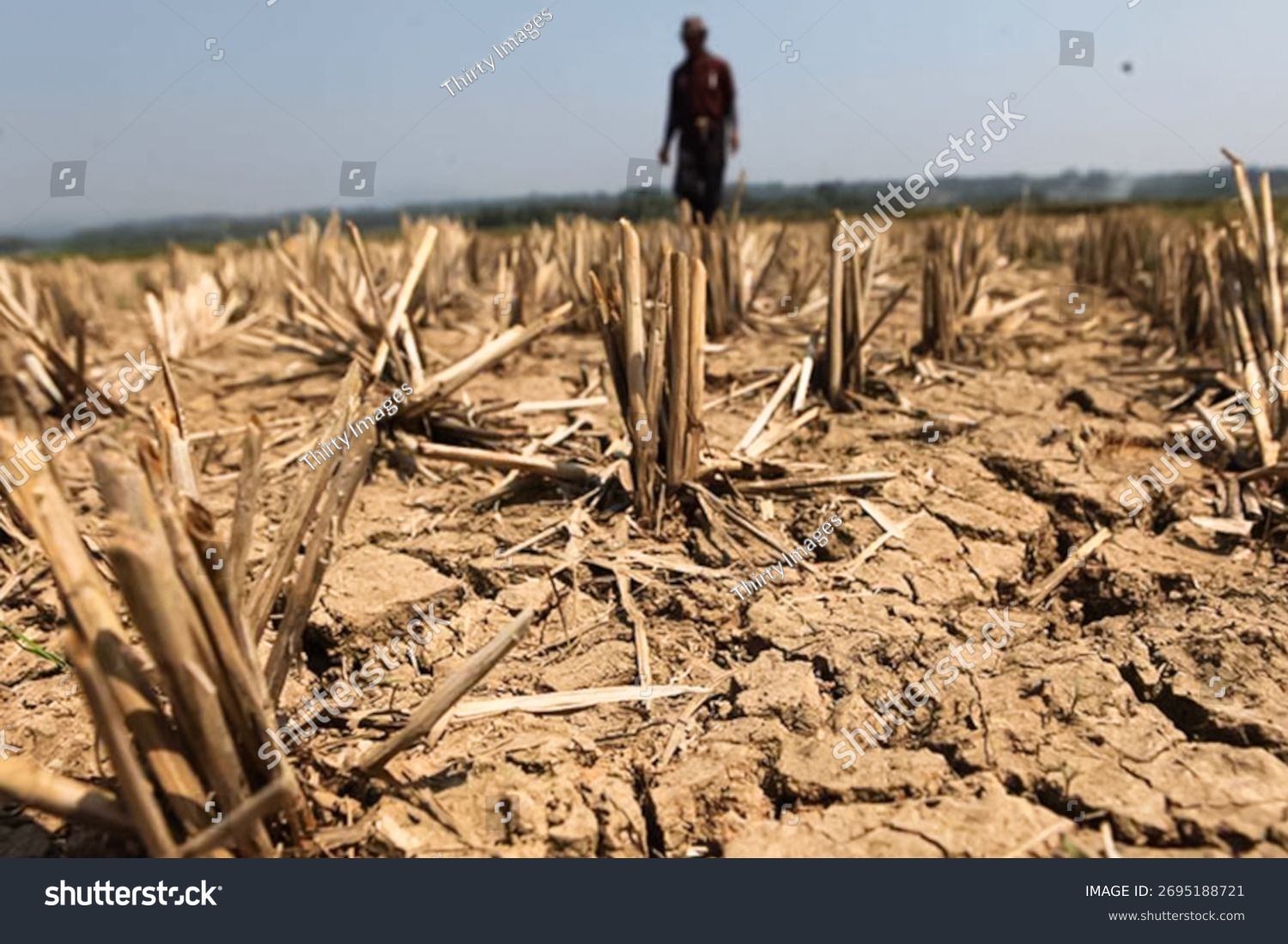
The initiative follows Zambia’s effort to fight the severe drought conditions affecting over six million people, reinforcing the government’s push for long-term agricultural sustainability and green interventions.
And to accelerate the fight against the climate impasse, Zambia recently participated and hosted the Lusaka Climate Finance Week conference in collaboration with the UK Foreign, Commonwealth & Development Office (FCDO), Financial Sector Deepening (FSD) Africa and the Global Green Growth Institute (GGGI) in Lusaka.
The event which drew various players across the globe, including the private sector, financial institutions, and carbon project developers, discussed issues related to the ‘elusive’ climate financing.
The recently established Zambian Climate Finance Unit, climate financing, climate financing tools and mechanisms, Zambia’s carbon project development and participation in carbon markets was vital as countries continue lobbying for climate finance to mitigate and adapt to lessen climate change impact.
Zambia seeks US$17.2 billion to implement the Nationally Determined Contributions for the period 2023-2030 by implementing its National Green Growth Strategy and the recent passing of its Green Economy and Climate Change Act, 2024.
In 2025, the government further submitted an updated Nationally Determined Contribution (NDC 3.0) for Zambia to the Paris Agreement, a critical step in improving efforts to further reduce greenhouse gas emissions and address climate change.
Climate finance, which refers to funding provided from both national and international sources, spanning public and private sectors, is crucial for supporting climate mitigation and adaptation initiatives.
For Zambia, such funding represents a significant avenue to advance its low carbon development strategy, pursue its ambitious climate objectives and enhance its economic resilience against climate shocks.
To address the widening investment gap in global climate action requires prioritizing a diverse suite of financial tools and mechanisms designed to mobilize capital at the necessary scale.
This strategy integrates traditional public funding, such as grants and concessional loans, with innovative instruments.