
By Jeff Kapembwa
Energy output at Cahora Bassa Dam in Mozambique, rose 13%, raising € 226 million in revenues through June this year compared to a similar period in 2025, a historical rise in performance after an excruciating climate impasse experienced on the regional power project, according to reports.
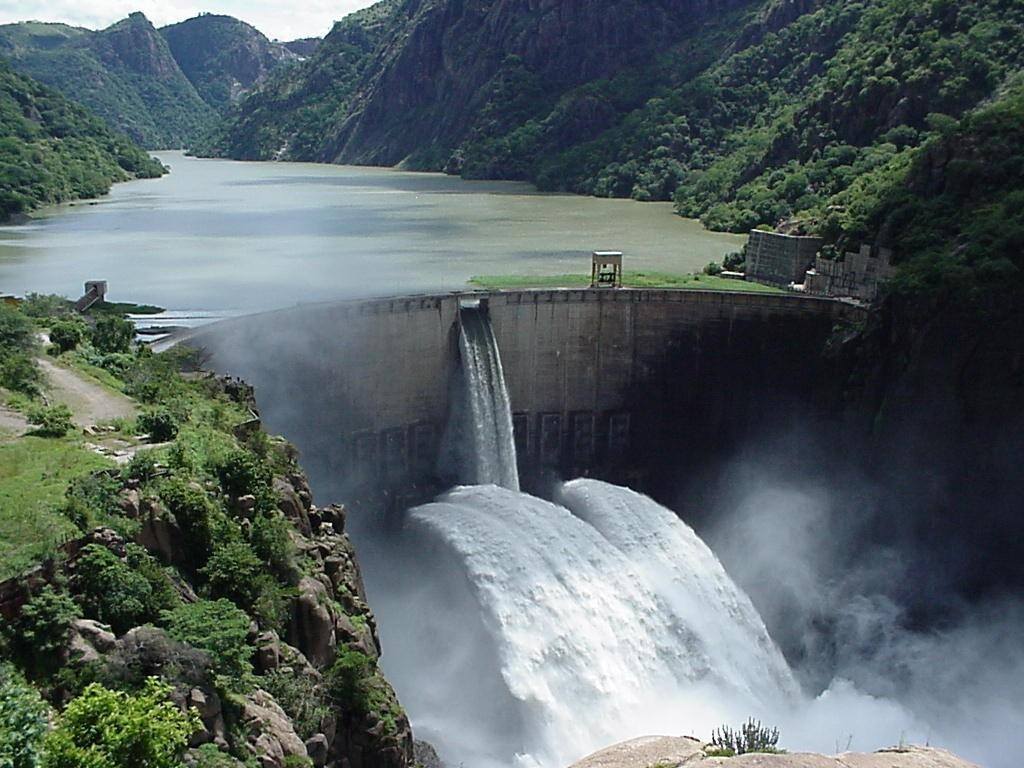
The project, dubbed ‘Hidroeléctrica de Cahora Bassa (HCB)’, the fourth largest water source in Africa, with a maximum length of 270 kilometers and 30 kilometers between shores, and occupies 2,700 square kilometers with an average depth of 26 meters recorded a recoverable usable capacity of its reservoir to 56%.
This rise in operational capacity follows historical lows experienced by the climate crisis, and allows operational restrictions to be lifted, the Mozambican state-owned enterprise said in a statement.
The company had produced 6,399.03 Gigawatt-hours (GWh) between January and June this year, representing a 13% growth compared to the first half of 2025 and exceeding the production target set for the period by approximately 10%.
Estimates in net income exceeded €115 million dollars (99 million euros), The report says. HCB cites the quantum leap to a “holding and operation strategy based on careful management of water resources,”
This, it adds, had allowed the company to “reconcile increased energy production with the recovery of Cahora Bassa Reservoir reserves, reinforcing operational sustainability and energy security.”
Cahora Bassa Dam, with a labour force of about 800 workers, and one of the largest electricity producers in the Southern African region, supplying neighboring countries. attributes the recovery of the reservoir to “more favorable hydrological conditions.
The developments were observed in the Zambezi Basin, particularly within Cahora Bassa’s own catchment basin,” as well as “operational management, engineering, and maintenance measures implemented by the company.”
“These results demonstrate the company’s ability to respond to operational challenges while simultaneously preserving the sustainability of water resources.” The chairman of HCB’s board of directors, Tomás Matola, is cited as saying.
Electricity production in Mozambique fell 25% in 2025, impacted by the water shortage in the HCB reservoir following the “worst rainfall record” in 43 years.
In the first six months of the year, usable reservoir storage increased by approximately 35 percentage points, rising from nearly 20%—considered an all-time low—to a high of 56%, corresponding to a water level elevation of 316.22 meters.
According to HCB, this recovery “marks a significant shift following two consecutive hydrological years characterized by severe drought” and “creates conditions for a gradual lifting of operational restrictions in place since July 2024.”
“Producing more energy while recovering strategic reservoir reserves demonstrates HCB’s capacity to guarantee a reliable energy supply,” Matola added.
Electricity production in Mozambique fell 25% in 2025, impacted by the water shortage in the HCB reservoir following the “worst rainfall record” in 43 years.
In the first six months of the year, usable reservoir storage increased by approximately 35 percentage points, rising from nearly 20%—considered an all-time low—to a high of 56%, corresponding to a water level elevation of 316.22 meters.
According to HCB, this recovery “marks a significant shift following two consecutive hydrological years characterized by severe drought” and “creates conditions for a gradual lifting of operational restrictions in place since July 2024.”