
By Josiah Mpofu
GOVERNMENT has called for strengthened climate change adaptation measures to boost agricultural production and build resilience among communities in the Zambezi River Basin.
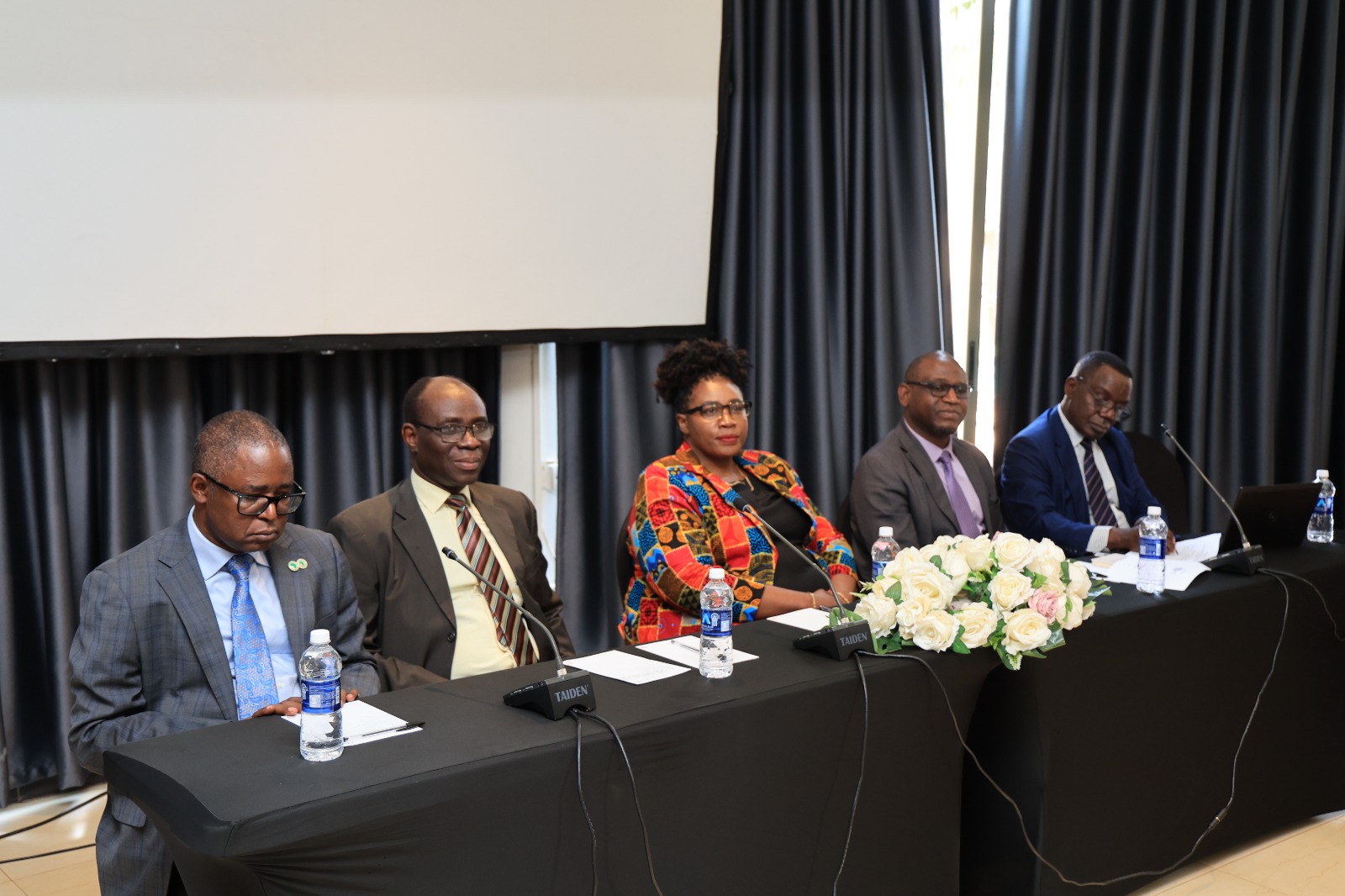
Speaking through Agribusiness and Marketing Director, Mwendalubi Msoka, at the regional mid-term review validation workshop of the Programme for Integrated Development and Adaptation to Climate Change (PIDACC Zambezi) in Lusaka, Agriculture Permanent Secretary for Technical Services, John Mulongoti, said climate-related shocks threaten agricultural production, household incomes and national food security.
“Government recognises that sustainable development cannot be achieved without strengthening the resilience of our communities, especially those whose livelihoods depend directly on agriculture and natural resources,” said Mr Mulongoti.
He said Government was expanding irrigation initiatives and access to appropriate technologies to enable farmers to continue producing despite climate shocks, adding that climate change adaptation, water security, sustainable agriculture and natural resource management remain key components of Zambia’s development agenda.
Mr Mulongoti also commended PIDACC for supporting climate-resilient livelihoods, including the distribution of 1,950 improved beehives, 1,500 small livestock and 1,200 village poultry, as well as the establishment of three-tier livestock service centres.
He said the programme had further supported farmers to cultivate 300 hectares of improved pasture and establish 100 backyard aquaculture facilities.
African Development Bank (AfDB) Representative, Dr Toussaint Houeninvot, said the review was intended to identify implementation constraints and agree on practical measures to accelerate delivery.
He was delivering remarks on behalf of Mr. Raubil Durowoju, the Bank’s Country Manager, for Zambia.
“A Mid-Term Review serves two purposes. First, it allows us to recognise progress. Second, and more importantly, it requires us to identify what is not working, why implementation has not progressed as expected in some areas, and what must change during the remaining period,” Dr Houeninvo indicated.
He said the second half of the programme should be characterised by greater urgency, stronger coordination and sharper prioritisation, with regional integration remaining central to PIDACC Zambezi.
Dr Houeninvo affirmed that the African Development Bank remained committed to working with Governments, ZAMCOM, project implementation units and development partners to ensure tangible benefits for communities across the Basin.
Meanwhile, Zambezi Watercourse Commission (ZAMCOM) Executive Secretary, Felix Ngamlagosi, said the mid-term review provides an opportunity to assess progress, draw lessons and agree on measures to strengthen implementation during the remaining programme period.
“Although the three projects have distinct responsibilities, they serve a common purpose: improving livelihoods and strengthening climate resilience in the Zambezi River Basin,” Mr Ngamlagosi noted.
He said the programme’s regional approach was critical because the Basin’s water resources, land, ecosystems and economies are interconnected, requiring coordinated action among riparian countries.
The PIDACC Zambezi programme, supported by the African Development Bank, is being implemented by ZAMCOM at the regional level, with Zambia and Mozambique implementing the national components, aimed at strengthening climate resilience, natural-resource management and livelihoods in the Zambezi River Basin. –NAIS