
By Jeff Kapembwa
Zambia’s quest to populate climate change and its impact on the ecosystem has begun in earnest with a call to the media to assimilate the science and ‘truthfully and accurately’ join in sensitising the public on the effects of the crisis, afflicting the country for the long haul.
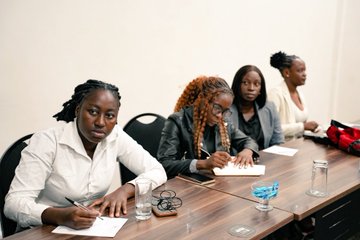
The Food and Agriculture Organisation in collaboration with the Ministry of Economy and the Environment-have jointly organized a-three-day media sensitization meeting to raise awareness among purveyors of news and join in the sensitization of the public as the country endeavors to insulate.
A statement availed to Zambia Climate Network by organisers says the workshop was imperative to impart knowledge in members of the ‘fourth estate’-players in Government’s outreach and information dissemination agenda on policy and governance on the need to alert the people on the need to take precautions before and when faced with the crisis.
“Your role in shaping public understanding cannot be overstated. Climate change is no longer a distant or abstract concept. “
“It requires informed citizens, engaged stakeholders, and most importantly, accurate and compelling communication. This is where you, as journalists, play a critical role. Beyond raising awareness, the media also has a vital role in highlighting opportunities particularly those that drive innovation, green entrepreneurship, and private sector participation.”
Climate change is a lived reality for many Zambians stemming from prolonged droughts and shifting rainfall patterns to impacts on agriculture, energy, and livelihoods, the effects of a changing climate are being felt across our nation, a call for awareness.
Zambia is actively pursuing a transition towards a green economy one which promotes sustainable growth, environmental protection, and improved well-being for our citizens. The transition, however, organisers said, requires more than policies and strategies.
Zambia’s transition into a green economy is not only about managing risks; it entails unlocking new markets, supporting sustainable businesses, and creating jobs. By telling these stories, journalists are implored to take the front role to disseminate information as a call of duty.
“You help to inspire investment, encourage enterprise development, and position sustainability as a driver of economic growth.”
The media are challenged to be curious and identify opportunities for innovation and sustainable development during the workshop.
These include among other teaching aspects, technical knowledge, interactive exercises, and engagements with expert panels to help equip the scribes not just with information, but with tools to translate complex issues into stories that resonate with the public.
It was imperative that journalists, being partners in governance, are equipped with oral and practical understanding on how to cover climate science and its effects including global warming.
Zambian policies, including the National Green Growth Strategy, form part of the reforms but can only be effective if well understood and supported by the public.
The training, organisers, say, seeks to strengthen the role of the media as a key partner in national development. A well-informed media sector enhances transparency, accountability, and public participation in climate and environmental governance.
The strategy is envisaged to contribute to Zambia’s broader commitments under international frameworks, including our Nationally Determined Contributions, a call for devotion to reaching the masses and ensuring they are insulated against the crisis.
“Effective communication is essential in ensuring that climate action is inclusive, participatory, and impactful.”