
By Jeff Kapembwa
The impending ‘Super El Nino’ El Nino forecast to hover over Africa from 2026-27 may- cost the continent US$20 billion, and demand for US$100 billion in mitigation and adaptation by the close of the decade.
The climate induced temperature-driven calamity, and feared to cause greater havoc in among other countries on the continent, Sudan, South Sudan, Democratic Republic of Congo, Somalia, Mali, Burundi and Nigeria may be more severe than anticipated with experts calling for mitigation.
Threats of El Nino ravaging Africa continue being amplified with Sudan, South Sudan, Democratic Republic of Congo, Somalia, Mali, Burundi and Nigeria among the countries facing the greatest risks.
Estimates, by experts, and the African Development Bank, show that the devastation many cost affected countries and compel them to lose an average 1-2 percent in Gross Domestic Product (GDP), and trigger mass migration.
Food insecurity, severe water scarcity, loss of grazing land, are among other concerns highly listed on the impact that may face the continent, the African Development Bank warned.
The Africa development Bank (AfDB) climate change experts foresee maize prices doubling, worsening severe food insecurity with Sudan, South Sudan, the Democratic Republic of Congo, Somalia, Mali, Burundi, and Nigeria among the nations under severe threat.
African countries are feared to lose an average $10 billion and trigger mass migration from areas hit by drought, flooding and food shortages.
Severe water scarcity, loss of grazing land, and food shortages are expected to drive mass migration across vulnerable zones, a call for sustained adaptation financing estimated around US$100 billion from an earlier US$50 billion focus.
Climate driven activities have already devastated Africa with some heat waves afflicting many countries. Farmers-chiefly smallholders, have already sustained nearly $330 million in lost income, while fisheries face a 1% to 4% drop in productivity, AfDB’s Anthony Nyong, the bank’s director for climate change and green growth is cited by Reuters.
A potentially extreme El Niño could cost affected African countries between $10 billion and $20 billion and trigger mass migration from areas hit by drought, flooding and food shortages, the African Development Bank’s top climate official told Reuters.
Maize prices may double, while competition for water and grazing land could intensify existing conflicts and displacement.
To counter the potential climate induced hazard, the AfDB intends to undertake another assessment by September this year to assess risks to existing projects and possible emergency support.
The African Union join other players in warning over the impact of the El Nino on the continent with a call for preparedness to reduce the damage in 2026/2027, and that delayed action could deepen food insecurity, water stress, humanitarian crises, and economic disruptions across Africa.
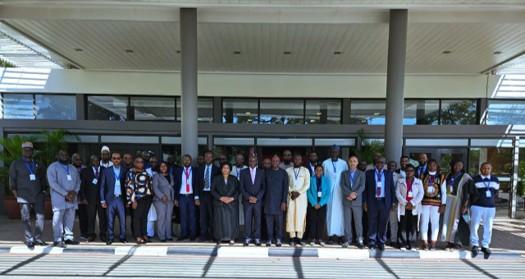
The 21st African Continental Climate Outlook Forum (ACCOF-21) and the Continental Dialogue on Climate-Sector Nexus met in Lusaka attracting various experts.
The climate scientists, policymakers, regional economic communities, national meteorological agencies, disaster management authorities, humanitarian organisations, and sector specialists ultimately sought to design a coordinated continental response to possible El Niño-induced climate shocks, the experts foresee devastation that needs unwavering mitigation.
Themed: “Preparing Africa for El Niño 2026/2027: Strengthening Readiness to Anticipate and Manage Climate Shocks,” the forum sought to reposition Africa’s climate strategy from emergency response to early action and prevention.
Experts warned that the anticipated El Niño event could intensify existing challenges across the continent, including prolonged droughts, devastating floods, declining agricultural output, water shortages, disease outbreaks, and disruptions to energy systems.
Representing Zambia’s Permanent Secretary of the Secretary to the Cabinet Patrick Kangwa represente by Ministry of Green Economy and Environment, Ranford Simumbwe said the effectiveness of climate forecasts depends on their ability to guide real-time decisions and protect communities.
“Africa continues facing severe climate challenges placing the need of climate information as an essential resource for sustainable development”
“Climate information only creates value when it is translated into action,” Simumbwe said, urging stronger collaboration between climate scientists, policymakers, and communities that depend on accurate forecasts.”
ACMAD Director General, Dr. Ousmane Ndiaye, said Africa must prepare before the impacts of El Niño emerge, stressing that waiting until disasters occur would put millions of lives and livelihoods at risk.
“With the looming El Niño 2026/2027 and its potential impacts across Africa, we cannot afford to wait before acting,” Ndiaye said.
The Lusaka forum, he added, provided an opportunity to strengthen early warning systems, improve climate information sharing, and ensure forecasts are converted into practical measures for communities and governments. Climate shocks require a unified continental response because their consequences extend beyond national borders.
Harsen Nyambe Nyambe, Director of Sustainable Environment and Blue Economy, representing the AU Commissioner for Agriculture, Rural Development, Blue Economy and Sustainable Environment, said Africa must embrace collective and preventive solutions.
“Climate shocks do not respect borders, sectors, or communities. Our response must therefore be collective, coordinated, and proactive,”
The previous El Niño events exposed Africa’s vulnerability, with millions affected by climate extremes that disrupted livelihoods, particularly among smallholder farmers, pastoralists, women, children, and coastal communities.
Director of the World Meteorological Organisation (WMO) Regional Office for Africa, Dr. Agnes Kijazi, said the increasing likelihood of El Niño conditions persisting into 2026–2027 underscores the urgency for governments to adopt climate-informed planning.
There is a need for stronger anticipatory action to ensure that scientific warnings translate into early interventions before communities face severe consequences.
The meeting, supported through the African Union’s Climate Services (ClimSA) Programme with backing from the European Union, ended with various recommendations on how to tackle the El Niño-related disruptions.
The €22 million ClimSA initiative adopted is designed to strengthen climate services across Africa, supporting sectors including agriculture, health, energy, water resources management, and disaster risk reduction.