
By Jeff Kapembwa
The World Health Organisation has approved more than US$3 million in additional contingence to support countries threatened by the dreaded Ebola virus, an impetus amplified by 100 countries offering climate action to build resiliency, low carbon health systems.
The second Contingency Fund for Emergencies, bringing the total to US$ 3.9 million is in addition the earlier disbursement. This, brings the total resources extended towards reducing infections that has claimed more 300 people and infecting thousand other chiefly in DR Congo and Uganda where the disease has been gravitated by various factors including climate change.
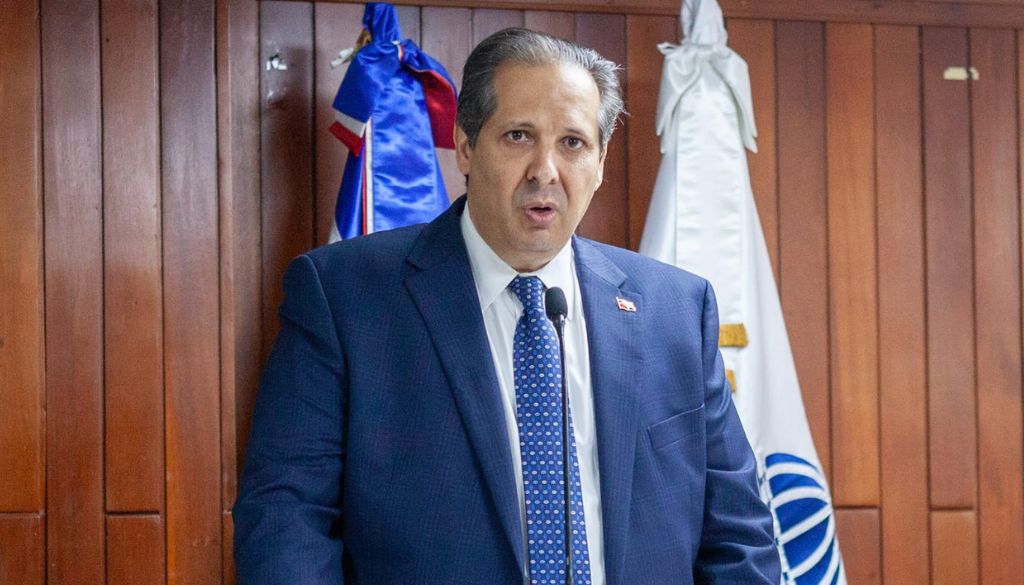
Addressing the 79th assembly in Geneva, Tuesday, World Health Organisation (WHO) President of the 79th World Health Assembly (WHA79), who is also the Minister of Public Health for the Dominican Republic, Victor Atallah Lajam said so far, 30 cases have been confirmed in the DRC, from the northeastern province of Ituri.
Uganda has informed WHO of two confirmed cases in the capital Kampala, including one death, among two individuals who travelled from DRC. An American national has also been confirmed positive, and been transferred to Germany for treatment.
The United States has since joined hands with the health agency and are also collaborating with Uganda and DR Congo health authorities in redressing the escalating cases, caused by Bundibugyo virus, a species of Ebola virus for which there are no vaccines or therapeutics, Dr. Lajam said.
About 100 countries across teh globe have joined the WHO in fighting climate change, one of the key drivers of Ebola and other epidemics, which campaigners argue, should be militated through actions.
A statement availed to Web Media says the WHO is deeply concerned with the increasing escalation of infections, fatalities and other developments citing various factors that raise concern about the potential for further spread and further deaths.
Beyond the confirmed cases, there are more than 500 suspected cases and 130 suspected deaths and the numbers are likely to change with field operations scaling up, including strengthening surveillance, contact tracing and laboratory testing.
Cases have been reported in urban areas, including Kampala and the city of Goma in the DRC. Deaths have been reported among health workers, indicating healthcare-associated transmission. There are also increased population movement in the area in Ituri caused by military insurgence.
“The province of Ituri is highly insecure, as you may know. Conflict has intensified since late 2025, and fighting has escalated significantly over the past two months, resulting in civilian deaths.” He said adding:
“Over 100 000 people have been newly displaced, and in Ebola outbreaks, you know what displacement means. The area (Ituri) is also a mining zone, with high levels of population movement that increase the risk of further spread.”
Ebola, Dr. Lajam noted, in the absence of vaccines the epidemic could escalate and urged all countries faced with Ebola infection likelihood to undertake to stop the spread of the virus and save lives, even without medical countermeasures, including risk communication and community engagement.
He commended Uganda for postponing the annual Martyrs’ Day celebrations, which has potential to attract about 2 million people to avoid escalating infections and potential fatality. WHO has since deployed a team to undertake surveillance and responses, armed with supplies, equipment and funds.
The outbreaks of Ebola and Hantavirus detected in a ship in recent weeks until it docked, underscores the urgency of fighting with verve the international threats that need equal responses, but needs sufficient funding to contain.
The WHO calls for international health regulations to pacify over anticipated and unforeseen diseases and calls for joint efforts to remain prepared for eventualities, Dr. Lajam said.
Meanwhile WHO has announced labour deficits across the world. It estimates that there is greater need to engage 11 million health workers by 2030, with the biggest gaps existing in the African and Eastern Mediterranean regions.
More than half the gap is a shortage of nurses, as last year’s landmark State of the World’s Nursing report showed. In the past 12 months, WHO supported 11 countries facing the most acute shortages to strengthen their national workforce strategies, contributing to commitments for nearly 100 000 new health worker jobs.
Good a blog toper
This is great.Kindly share your details. we wish to access a copy of the manuscript.