
By Happy Mulolani
Carbon emissions is one of the priority areas of most climate intervention programmes as it aims at benefiting communities.
One of the programmes supporting carbon emissions is; The Eastern Province Jurisdictional Sustainable Landscape Programme (EP-JSLP), a World Bank supported programme implemented through the Ministry of Green Economy and Environment. The programme promotes sustainable landscape management, improves community livelihoods, and strengthens climate resilience through robust Monitoring, Reporting and Verification systems.
The contextual background of the project focuses on an adopted landscape approach, as agreed by all stakeholders through the Chiefdom Emissions Reduction Performance Agreement (CERPA) for all 56 Chiefdoms and the Nested Emissions Reduction Performance Agreements (NERPA) with private sector entities operating in Eastern Province.
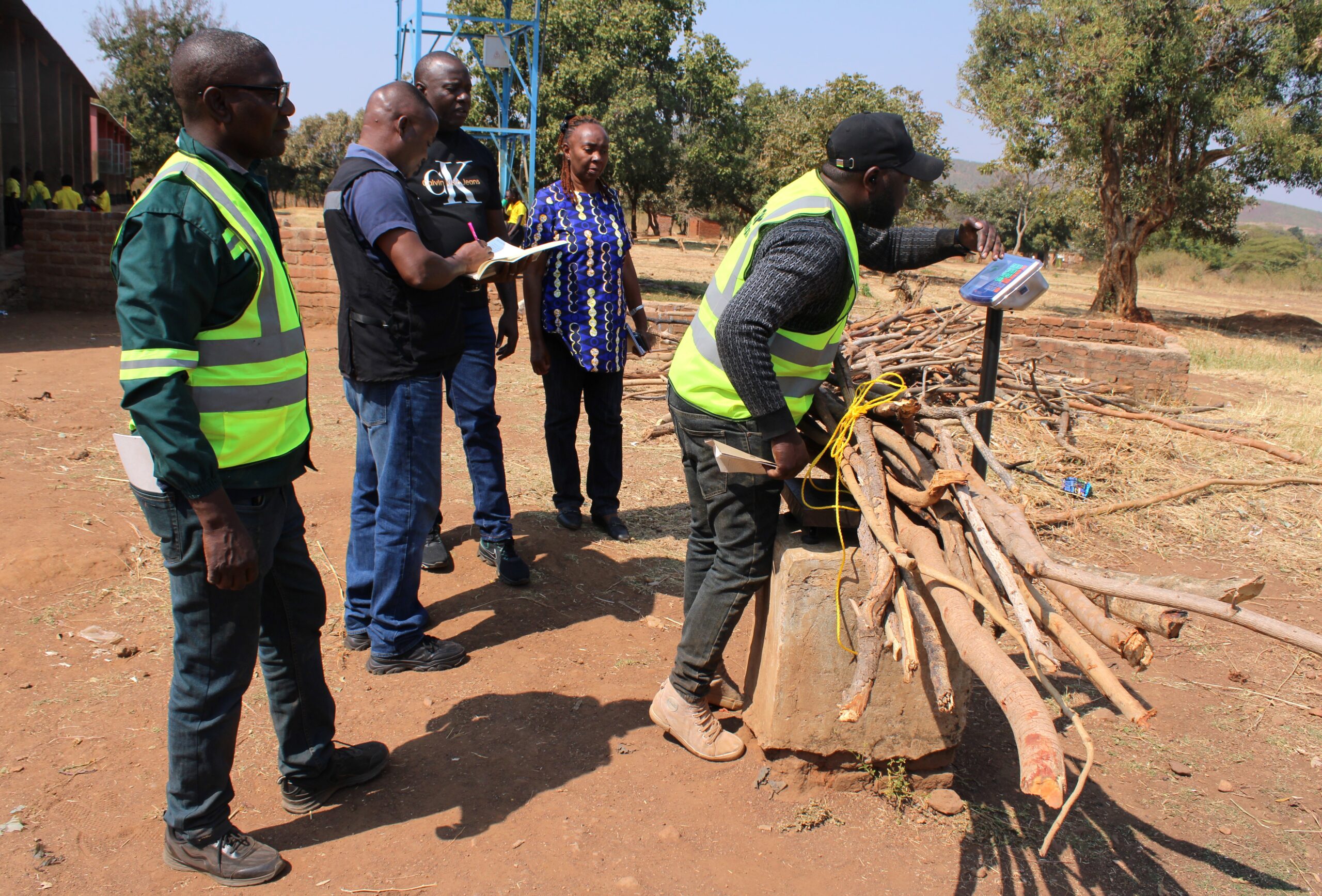
In a bid to scale up EP-JSLP interventions, the programme has earmarked to strengthen its commitment towards delivering credible and high-quality emissions reduction results by orienting Quality Assurance and Quality Control (QAQC) teams on Energy Data Collection under the Monitoring, Reporting and Verification (MRV) system.
In a statement by EP-JSLP Communications Officer, Creavat Chituta, EP-JSLP Programme Coordinator Noel Muchimba, elucidated that QAQC orientation meeting on Energy Data Collection under the Monitoring, Reporting and Verification (MRV) system in Chipata recently informed the accuracy, standards of data collected, and its ability to withstand independent verification.
Mr Muchimba explained during the orientation meeting, meant to reinforce data quality standards and ensure information in the field is accurate, consistent and capable of withstanding independent verification.
“Recent verification exercises had identified gaps, including inconsistent household identification, incomplete stove-use records, missing GPS evidence, fuel consumption data gaps and misclassification of energy technologies,” Mr Muchimba noted.
Monitoring and Evaluation Officer, Mushokabanji Likulunga, was speaking on behalf of EP-JSLP Programme Coordinator, Noel Muchimba.
“Rigorous QAQC remains critical to protecting the integrity of the Programme’s emissions reduction results, adding that every household interview, GPS coordinate and field observation must comply with the Programme’s Standard Operating Procedures (SOPs),” he said.
Mr Muchimba advised QAQC and District Supervisors to be alert and validate field data, as well as ensure strict adherence to SOPs and also promote professionalism throughout data collection.
“QAQC is not about policing officers in the field; it is about safeguarding the credibility of our work and ensuring communities benefit from a reliable and transparent MRV system,” he said.
Eastern Province, Principal Forest Officer, Catherine Zulu, advised participants to utilise the Standard Operating Procedures as a practical guide for energy data collection.
Ms Zulu pointed out that, accuracy and precision are necessary to produce data that truly reflects conditions on the ground and supports informed decision-making.
To achieve the programme objectives, EP-JSLP MRV Technical Officer, Arthur Asumani, asserted the need to collect quality data, at the same time, prioritise the livelihoods of local communities.
“Credible information is fundamental to measuring project impact and demonstrating the benefits of sustainable landscape management interventions,” Mr Asumani reiterated.
This QAQC orientation is one of EP-JSLP’s continuous efforts aimed at strengthening Monitoring, Reporting and Verification systems that support and are in tandem with climate action, sustainable natural resource management and results-based emissions reductions in Eastern Province.