
By Ruth Chileshe
Government through the Ministry of Agriculture in Northern Province has urged smallholder farmers in Lunte District to fully embrace sustainable farming practices as part of efforts to increase crop production and contribute to the country’s national crop production targets.
Northern Province Agricultural Coordinator Derrick Simukanzye, made the call during a monitoring visit to farmers in Mulenga Mapesa and Sambala agricultural camps in the district who are benefiting from the Sustainable Intensification of Smallholder Farming Systems in Zambia (SIFAZ) project.
Mr Simukanzye said smallholder farmers are central to Zambia’s agricultural transformation and play a critical role in helping the country achieve its national crop production targets under the government’s agricultural agenda, which includes; 10 million tonnes of maize, 1 million tonnes of wheat and 1 million tonnes of soya beans annually.
“The government has set a clear vision for the agriculture sector, and smallholder farmers are key to achieving this. We want farmers to adopt sustainable intensification practices because these are proven methods that can increase yields, improve soil health, and ensure long-term productivity,” Mr Simukanzye said.
Mr Simukanzye said achieving these targets will not only strengthen household and national food security, but also reduce the country’s reliance on imports and enhance Zambia’s position as a regional food basket.
He stressed this vision can only be realised if farmers adopt Sustainable Intensification Practices such as conservation farming, crop rotation, minimum tillage, and proper soil fertility management.
“These practices help farmers produce more using the same piece of land, while preserving the soil and environment. This is especially important now as we face the challenges of climate change, which are affecting rainfall patterns and crop productivity,” he added.
Mr Simukanzye added that there are success stories that demonstrate the impact that sustainable agriculture programmes can have on rural communities.
During the monitoring visit, Mr Simukanzye encouraged more farmers in Lunte District and across Northern Province to participate in agricultural programmes and apply the knowledge they receive.
Meanwhile, one of the farmers from Mulenga Mapesa agricultural camp, Mary Mwamba, said the project has transformed her farming activities and improved her harvest.
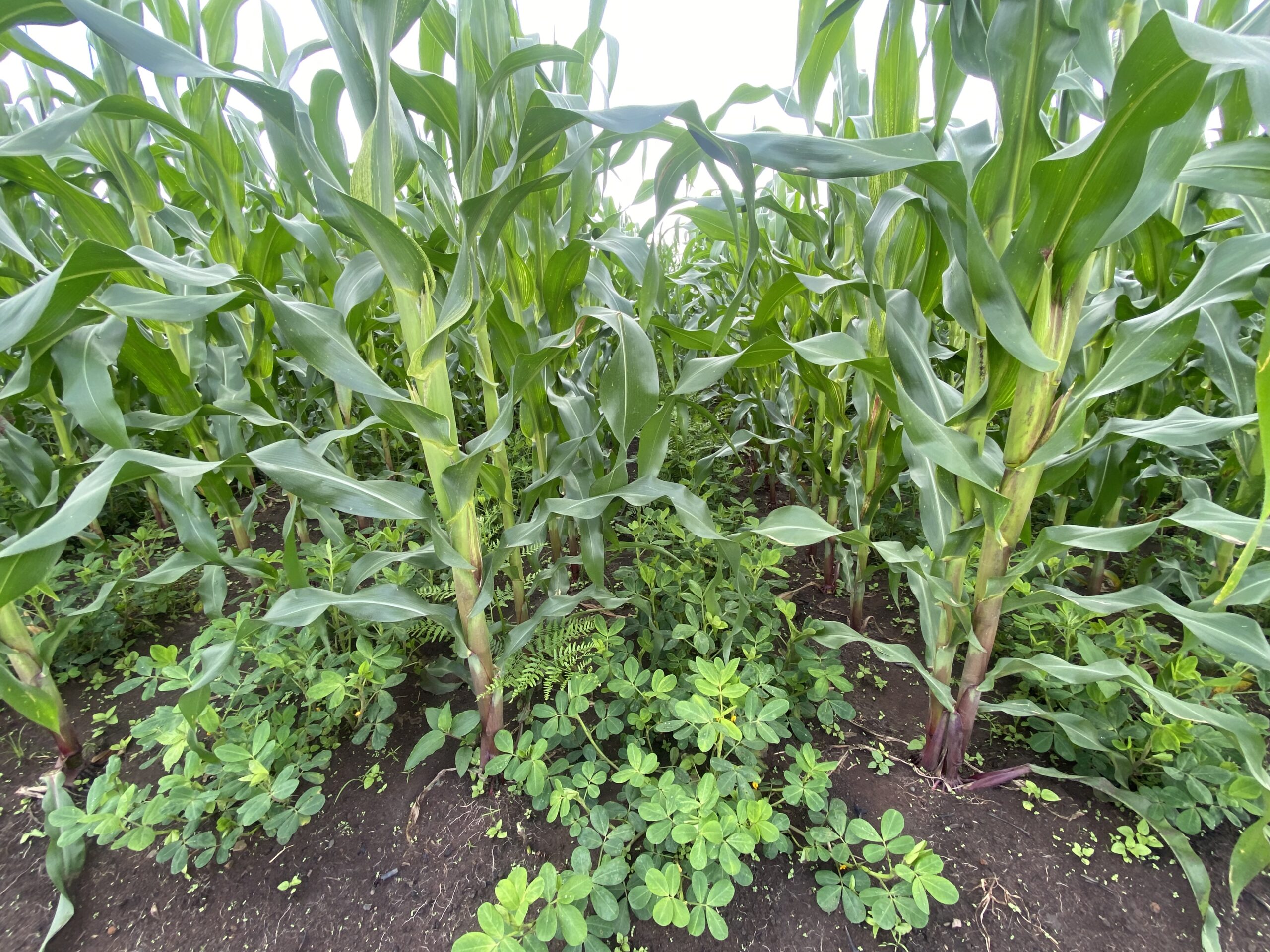
“Since the SIFAZ project started, we have been learning about conservation farming, crop intensification and rotation…I have seen a big difference. My maize is growing well, and even the soil looks healthier,” Ms Mwamba said.
Ms Mwamba added, the training she received has also helped her diversify her crops, which has improved her household income and food security.
Another farmer, Charles Musonda, added the project has given him knowledge and opportunity to improve his farming methods.
“We have learned new ways of farming that protect the soil and increase production. In the past, we used to cultivate without thinking about soil health, crop spacing and rotation, but now we understand the importance of sustainable practices,” Mr Musonda said.
He added that he has been working towards implementing the sustainable intensification practices that they have been learning from the SIFAZ project to his own farm.
The project aims to promote sustainable intensification farming practices among smallholder farmers to increase productivity, improve soil health, and strengthen resilience to climate change.
Since inception in Lunte district, the SIFAZ project has trained farmers in various climate-smart agriculture techniques, including conservation farming, crop diversification, and integrated soil fertility management.-NAIS