
By Jeff Kapembwa
The lack of reliable early warning systems, bureaucracy in accessing funds and poor collaboration between affected Governments and key players are some of the challenges frustrating efforts to militating the long-term shifts in temperatures and weather patterns affecting ecosystems and should be streamlined, says Fund for Responding to Loss and Damage (FRLD).
Barely days after its four-day-meeting ended in the Zambia’s tourism capital, Livingstone-where several resolutions were made to counter-climate change with verve-the FRLD notes lapses characterising the ‘noble fight’ against the crisis-a call for a reversal of the crisis- ‘here to stay’
During a meeting in Lusaka Monday with interest groups in climate change mitigation-FRLD-the World Bank aligned organization-financially supporting developing nations highly vulnerable to climate change while focusing on rehabilitation and reconstruction through country-led initiatives and fast-tracked, direct access to resources to help build resilient infrastructure, calls for restructured approaches.
Timely early warning systems and avoidance of bureaucracy in access to funding by vulnerable nations and continued consultations with governments and civil society organisations to ensure resources are used transparently coupled with dialogue among interest groups were vital elements in reversing the nagging climate crisis.
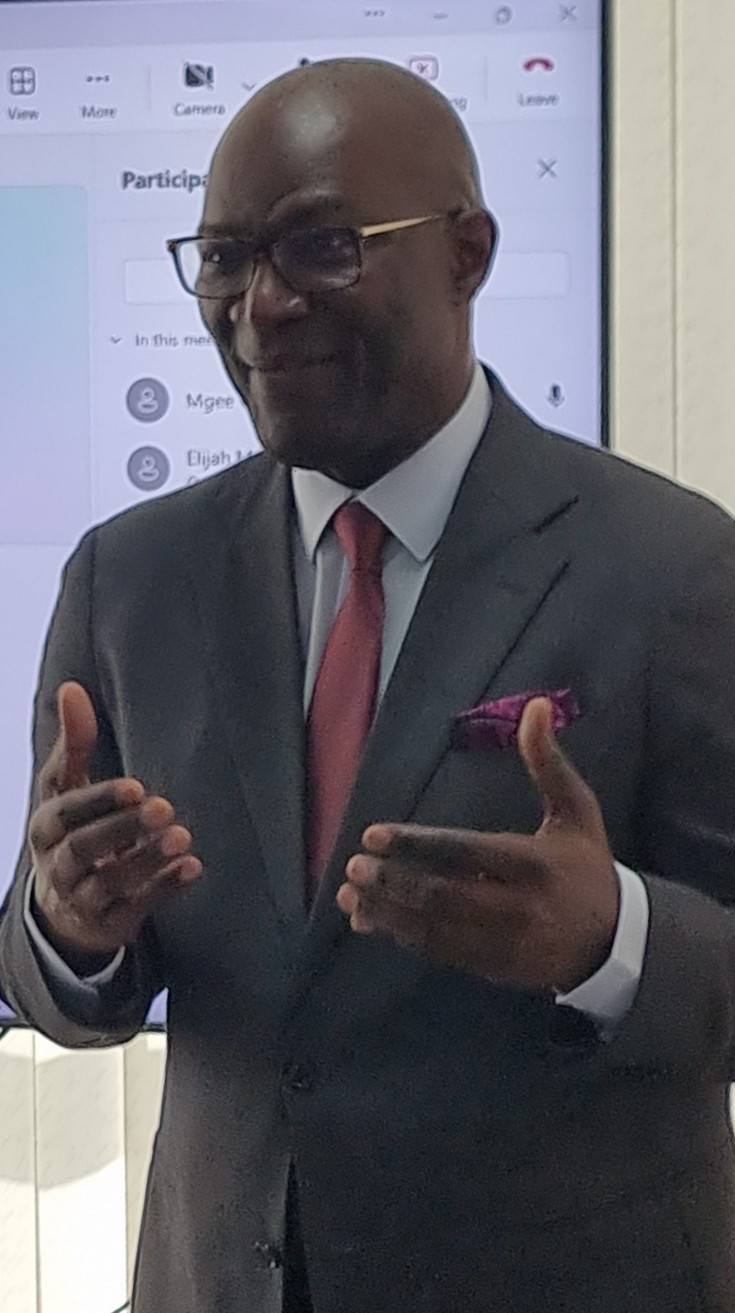
Executive Director of the Fund for Responding to Loss and Damage (FRLD), Dr. Ibrahim Cheikh Diong, barely days after chairing the consultative meeting which attracted various interest groups.
Said Zambia, like other vulnerable countries must access climate finance quickly to respond to disasters.
The fund is determined to move beyond pledges and ensure resources reach countries facing urgent climate-related challenges. The board has shown determination to make a change.
It has expressly approved an early intervention approach designed to help countries begin accessing support while long-term financing systems are still being established.
Dr. Diong underscored the importance of sustained dialogue between all interest groups to reduce all bottlenecks frustrating the easy of fighting climate change and ensure the resources availed and practical, effective used in a transparent manner.
And Ministry of Green Economy and Environment Dr. Douty Chibamba, underscored the Government’s resolve to jointly fight climate change-a reiteration of its commitment to fostering an enabling environment.
Zambia continues to experience severe effects of climate change, including droughts, floods, all threats to food security, water shortages and destruction of infrastructure, among other hazards, a call for access to funding to mitigate and insulate against the recurring crisis.
Civil Society groups were a vital cog in amplifying community voices, supporting implementation efforts and promoting transparency and accountability in climate action.
He challenged climate campaigners to adopt critical voices to provide destiny in the fight against the crisis through direct dialogue for a share perspective on how the funds can be used effectively and prudently to benefit vulnerable communities on the ground.
“Civil society organizations play a vital role in amplifying community voices, supporting implementation, and ensuring transparency and accountability.” Dr. Chibamba stressed, adding:
“We believe that strong partnerships will be key to ensuring that resources reach those most affected and are used efficiently and equitably.” he said.
Independent research reports show variances on how much is needed per se. Some estimate that that Africa needs a staggering $143 billion to $190 billion annually for climate mitigation and adaptation to meet its 2030 goals.
Current financing covers only about 25% of this demand, creating a significant funding gap for necessary projects like green energy infrastructure.
Estimates range from $143 billion (CPI/World Bank) to $190–$250 billion per year for combined mitigation and adaptation.
The International Energy Agency (IEA) says the continent needs about $200 billion annually to specifically clean energy transition.
On Adaptation Needs-away from mitigation, Africa needs over $100 billion per year for adaptation (agriculture, water, infrastructure).
There some gaps noted though. Another report shows that Climate finance flows to Sub-Saharan Africa only meet about 25% of what is required, with 90% of current investment coming from foreign entities.
The ballooning public debt crisis buffeting the continent has taken a toll in applying enough resources to the crisis.
Estimates show that African nations spend $84 billion annually on external debt service, hindering the ability to self-fund climate actions, independent research argues.