
By Stella Nyangulu
The government, through the Zambia Agriculture Research Institute (ZARI), has partnered with the Research for Agroecology Network of Southern Africa (RAENS) to tackle the effects of climate change, including soil degradation, deforestation, water scarcity, greenhouse gas emissions, and biodiversity loss.
Speaking during the launch of the ZARI and RAENS project, which will run from 2025 to 2029, ZARI Deputy Director Patrick Chikoti said the collaboration between the two institutions will strengthen existing partnerships.
“Agroecology offers Zambia and the wider region a pathway towards sustainable, resilient and equitable food systems,” Dr Chikoti said.
ZARI supports initiatives such as RAENS not only to protect plant genetic resources, but also promote diversified farming systems to reduce external inputs and center the knowledge and experience of farmers.
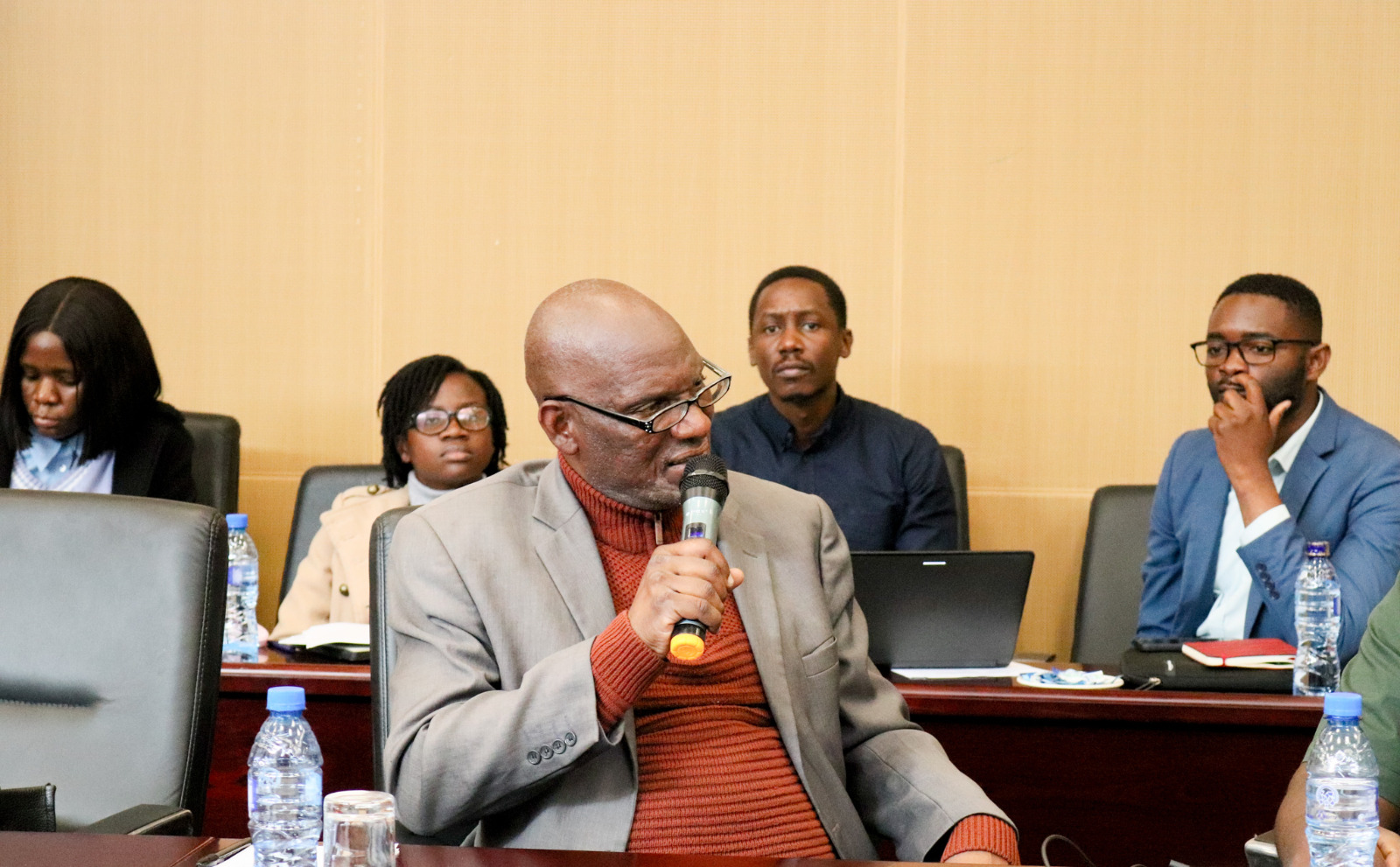
And President of the Small Scale Farmers Association, Frank Kayula, expressed his satisfaction in being part of the RAENS project in Zambia.
Professor Kayula, who is Director in Charge of Programmes at Centre for Coordination of Agricultural Research and Development in Southern Africa (CCARDESA), a regional body mandated to coordinate agriculture research and development.
Professor Kayula highlighted that agroecology encompasses diverse farming practices, prioritising ecological principles, sustainability, and social equity that consider the intricate interconnectedness of ecological, social, and economic factors within food production systems.
He cited the high use of inorganic fertilizers has not resolved global food insecurity, resulting in the persistence of hunger despite escalating fertilizer use.
“There is need for a robust scientific foundation for Agroecology knowledge and practice through dedicated research to enhance results and promote wider adoption. While Agroecology shows promise, its adoption and impact are not yet fully adequate, partly due to varying definitions and understandings,” Professor Kayula reiterated.
The event signified a strategic move towards promoting sustainable agriculture and transforming food systems across the Southern African region. The project is designed specifically to facilitate knowledge sharing and collaboration among researchers, practitioners, and policymakers within the realm of agroecology across Southern Africa. -NAIS